
Reviewed · GOBUSTAN TOURS
Gobustan, Mud volcanoes, Fire temple, Fire mountain PRIVATE TOUR
Fire, mud, and ancient marks await. This private day tour links Azerbaijan’s most unusual sights outside Baku, from prehistoric rock drawings at Gobustan to the natural flames of Yanardag. I like the way it combines archaeology, religion, geology, and oil history in one long day. I also like the private format, since your group can usually ask questions and adjust the pace with the guide.
The main drawback is the packed schedule. You spend a good deal of the day in the car, and entrance fees are not included in the $79 price. The mud volcano ride can also be basic, since the excursion uses Soviet-era Lada cars rather than a polished sightseeing vehicle. Still, for a first visit to Baku, this covers a remarkable amount of ground.
In This Review
- Key points at a glance
- One long day beyond Baku
- Gobustan: ancient stories carved into stone
- Mud volcanoes in Soviet-era Ladas
- Bibi-Heybat and Azerbaijan’s oil story
- Ateshgah Fire Temple and the memory of fire worship
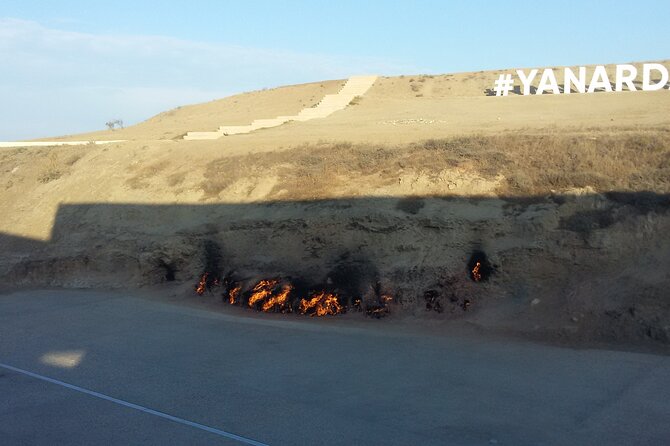
- Yanardag: a hillside that keeps burning
- What the $79 price really covers
- How the timing feels in practice
- The guide can make or break the day
- Who should book this private excursion?
- Should you book the Gobustan and Fire tour?
- FAQ
- How long does the tour last?
- Where does the tour start?
- Is this a private tour?
- Is transportation included?
- Are entrance fees included in the price?
- Can I bring luggage?
- What happens if the weather is bad?
Key points at a glance
- Gobustan’s petroglyphs reveal how prehistoric people recorded hunting, daily life, and beliefs on stone.
- Mud volcanoes near the Caspian coast bubble from bare earth and create the strange setting often compared with Mars.
- Bibi-Heybat Mosque adds a religious and oil-industry stop that many short excursions leave out.
- Ateshgah Fire Temple explains the role of fire worship and the Baku-based Hindu community connected with the site.
- Yanardag burns continuously from natural gas on the Absheron Peninsula, making it one of Azerbaijan’s most memorable sights.
- The private guide is the star of the day, with guides such as Kamal, Abid, Valeh, Ade, Aga, and Turel praised for clear explanations and flexible service.
One long day beyond Baku
This is not a gentle sightseeing loop. It is a full 7 to 8-hour outing that moves between several separate sites, each offering a different piece of Azerbaijan.
You start at 9:30 a.m. from the listed meeting point on Aşurlu in Baku. Pickup is offered, but confirm the exact pickup arrangement when you book, since the published starting point is a meeting location rather than a detailed hotel pickup schedule.
The tour is private, so only your own group participates. That matters here. The program covers a lot, and you will want a guide who can explain the sites without turning every stop into a rushed photo break. Past guide assignments have included Kamal, Abid, Valeh, Ade, Aga, and Turel. The strongest feedback centers on their command of Azerbaijani history, archaeology, religion, and local customs.
Transportation is by air-conditioned vehicle, with bottled water included. Expect road time between sites, especially on the Gobustan and mud volcano sections. Large bags and luggage are not allowed, so bring only what you need for the day.
More Gobustan rock-art trips from Baku:
- Baku: Gobustan, Mud Volcano, Fire Mount, Temple Lunch Entry
★ 4.9 · 3,246 reviews - BEST Gobustan, Volcanoes & Absheron Fire Tour (Group or Private)
★ 5.0 · 1,254 reviews - Gobustan and Absheron tour (All inclusive)
★ 5.0 · 1,014 reviews
Gobustan: ancient stories carved into stone
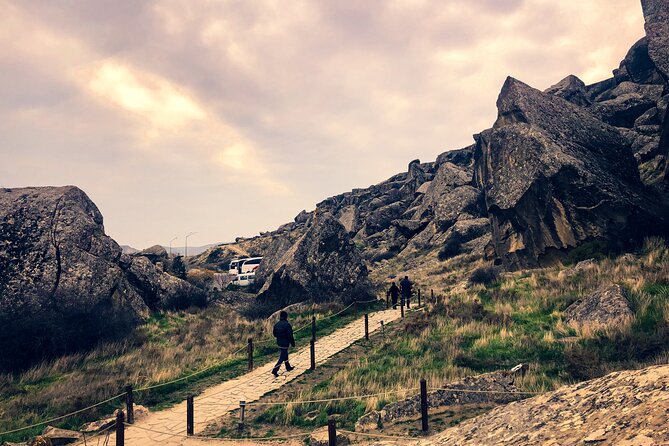
Gobustan is the intellectual heart of the excursion. Located about 60 kilometers from Baku, the site takes roughly an hour to reach by road. You visit both the indoor museum and the outdoor rock-art area, with about two hours and 30 minutes allocated to this part of the day.
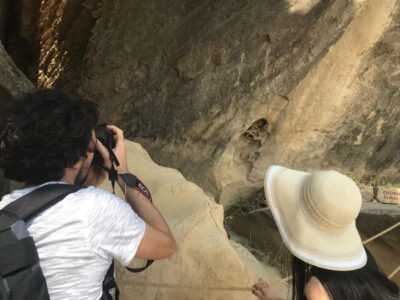
The drawings were carved into cave walls and rock surfaces by prehistoric people. They show scenes connected with work, hunting, culture, and the way ancient communities understood their world. Your guide’s role is important here because the marks can look simple at first glance. With context, they become evidence of daily life rather than random scratches on stone.
I would give Gobustan your full attention. It is easy to spend the whole stop taking photographs and miss the point of the site. Look closely at the figures and repeated patterns, then listen for the links between the drawings and the region’s early communities.
The museum helps set up what you see outside. It gives you a clearer sense of how archaeologists interpret the petroglyphs and why this area matters. Guides such as Valeh have been praised for archaeological knowledge, and one guide, Valeh, was described as holding a PhD in archaeology. If your guide has a similar background, ask for extra context about how the carvings are dated and interpreted.
There is one practical issue: the published information says the Gobustan admission fee is not included. Check the current cost before departure so you have enough local currency or an accepted payment method. The time allocation is generous compared with the later stops, so this is the place to slow down.
Mud volcanoes in Soviet-era Ladas
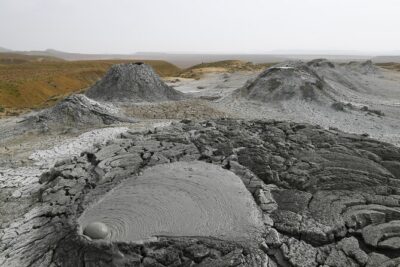
After Gobustan, the tour heads toward a coastal area known for its many mud volcanoes. The region is said to contain around 400 of them, and the excursion uses Lada cars for the final road section.
The ride itself is part of the character of the stop. These are old Soviet vehicles, not luxury off-road machines. That may mean a rougher, less refined journey, but it also fits the setting. You are heading away from the polished center of Baku into a stark area where mud bubbles out of the ground.
The actual stop lasts at least 30 minutes, while the full road section is listed at about an hour. You might see small cones, bubbling pools, and gray-brown mud rather than a dramatic eruption. Keep expectations sensible. The appeal is the oddity of the place and the contrast with the city, not a guaranteed volcanic spectacle.
The nickname Modern Mars makes sense once you see the bare earth and unusual formations. This is a good place for photographs, but you should wear shoes that can handle dust or mud. The tour information does not promise a specific level of volcanic activity, so conditions may affect how impressive the stop feels.
Admission to the mud volcano area is listed as free, though the main Gobustan and other attraction fees are separate. Since this part depends on road and weather conditions, your guide may need to manage the timing carefully.
Bibi-Heybat and Azerbaijan’s oil story
The stop at Bibi-Heybat Mosque adds welcome depth to the day. After the prehistoric site and mud volcanoes, you shift to Azerbaijan’s religious life and its oil industry.
The mosque is a holy place, and the guide explains religion in Azerbaijan along with the site’s background. This is useful because it prevents the day from becoming a string of disconnected attractions. You begin with early human belief and expression, then move into later religious traditions and modern national development.
Near the mosque, you also see an industrialized oil well. The guide uses the area to explain the beginnings of Azerbaijan’s oil boom and the first oil-industry areas. That pairing is especially effective. Bibi-Heybat is not only a religious stop, and the oil well is not just a piece of machinery. Together, they show two forces that shaped the Baku region.
Plan for around one hour and 30 minutes here, including a lunch stop. A local restaurant meal or takeaway can be arranged, with Azerbaijani dishes available. The exact food is not specified, so tell your guide about any preferences or restrictions before ordering.
I like this stop because it gives the day a human scale. Gobustan shows the distant past, but Bibi-Heybat connects belief, work, and national wealth in a way you can understand while standing in one small area. It also offers a change of pace after the open, dusty setting of the volcanoes.
Other mud volcano runs out of Baku:
- Baku:Gobustan Mud Volcanoes Temple & Entry tickets included
★ 4.8 · 178 reviews - Baku: Half-Day Gobustan and Mud Volcanoes Tour with Entry
★ 4.7 · 144 reviews - Mud Volcanoes & Gobustan tour (Group & Private)
★ 4.5 · 59 reviews - Gobustan & Mud Volcanoes Tour (tickets included)
★ 5.0 · 58 reviews
Ateshgah Fire Temple and the memory of fire worship
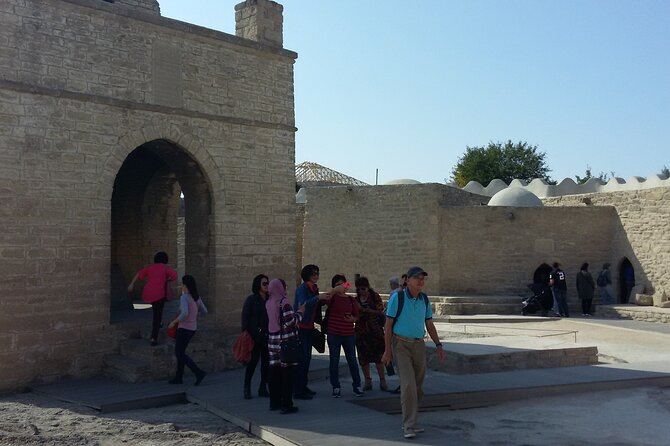
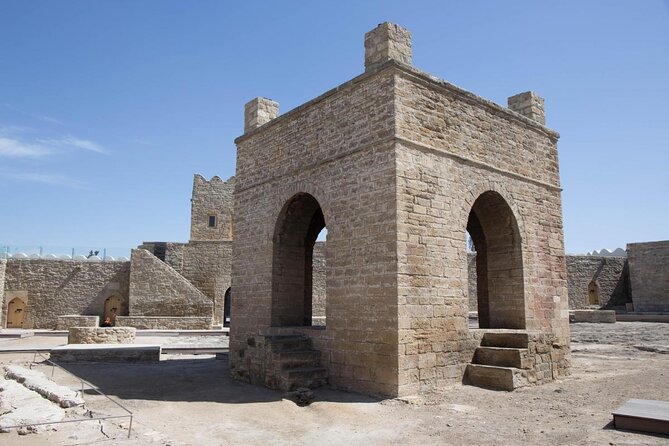
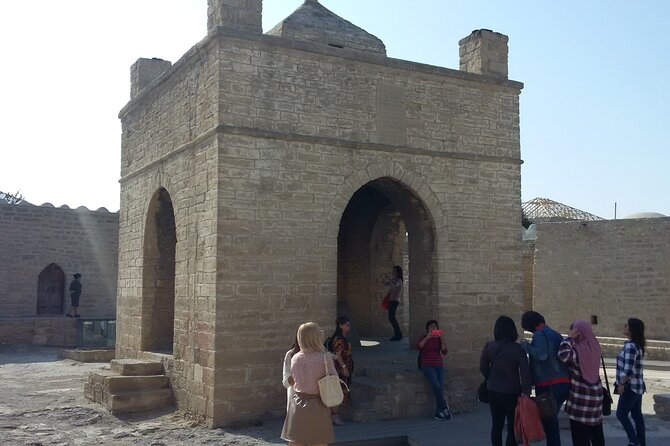
After lunch, you visit Ateshgah, the ancient Zoroastrian Fire Temple. The site was a holy place for fire worshippers, and Zoroastrians lived in Azerbaijan for roughly 300 years.
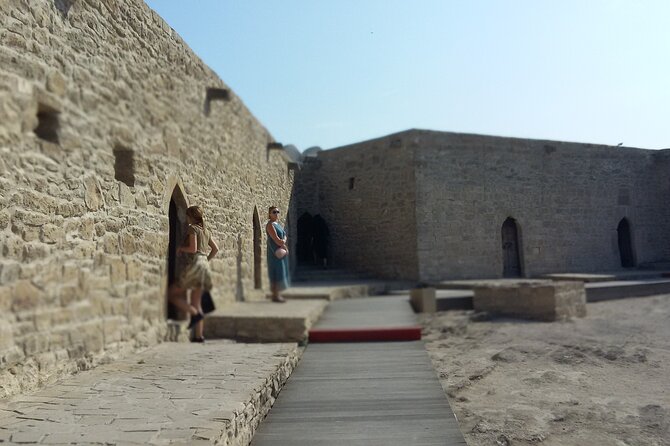
The central altar sits inside a distinctive pentagonal complex. That shape gives the site a strong visual identity, but the meaning matters more than the architecture. Ateshgah was a pilgrimage place for worshippers, and the guide explains how fire shaped religious practice in this part of Azerbaijan.
The site also has a connection with the Baku-based Hindu community associated with Sikhs. That detail widens the story beyond a simple Zoroastrian monument. Ateshgah reflects the movement of people, beliefs, and trade through the region, not just one isolated religious tradition.
The planned time for Ateshgah and Yanardag together is about two hours and 30 minutes. The information does not give a separate time allocation for each site, so ask your guide how the afternoon will be divided. Admission to Ateshgah is not included in the tour price.
This is one of the stops where a strong guide makes a major difference. Several guides have been praised for explaining customs and religion in clear English. If you enjoy cultural history, ask questions rather than simply walking around the central altar and taking a few pictures.
Yanardag: a hillside that keeps burning

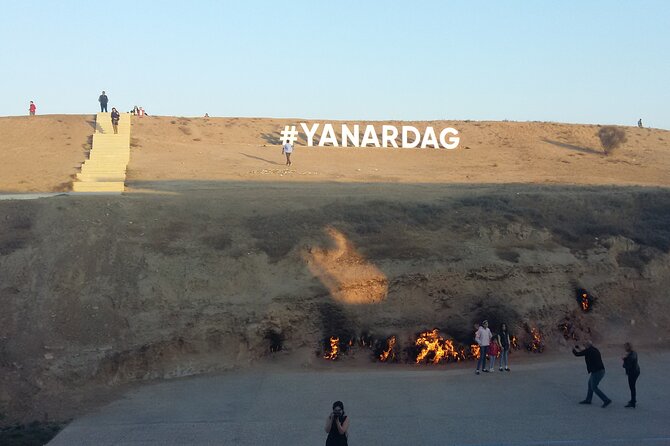
Yanardag is the final major sight. Its name means Fire Mountain, and the attraction is a natural gas fire burning continuously on a hillside of the Absheron Peninsula near the Caspian Sea.
The flame is the simple, memorable payoff of the tour. You do not need a long explanation to understand why this place captured the imagination of worshippers and visitors. Gas rises through the ground and burns on the slope, creating a fire that has become one of Azerbaijan’s best-known attractions.
The site is now protected as a state conservation area. Admission is separate, and the tour program ends here before returning to the central meeting point in Baku.
Keep your expectations realistic. One piece of feedback describes Yanardag as interesting, especially the museum, but also cautions against expecting a huge spectacle. That is fair advice. The fire is unusual, but the visit itself is not a long adventure. It works best when combined with Ateshgah, exactly as this tour does.
The museum section can add useful context before or after you view the flames. You might find the setting more meaningful once you understand how fire worship, natural gas, and Azerbaijan’s identity became linked.
What the $79 price really covers
At $79 per person, this tour offers solid value if you want a private vehicle, a guide, and several major sights in one day. The price includes air-conditioned transport, guiding, and bottled water. It does not include entrance fees for Gobustan Rock Art, the Gobustan mud volcano area as described in the inclusions, Ateshgah, or Yanardag.
The fee structure needs careful reading. The detailed stop information says the mud volcano admission is free, while the inclusions section lists an entrance fee for Gobustan mud volcanoes as not included. Because those descriptions do not fully match, confirm the current charges before you go.
The private format is the main reason to choose this excursion over a cheaper group outing. You are not paying only for transport. You are paying for a guide who can connect petroglyphs, Zoroastrianism, Sikh and Hindu links, Islam, and oil production into one story.
The value is strongest for a first visit or a short stay in Baku. If you have only a weekend, this tour covers sights that are spread across different areas and would be awkward to combine by public transport. If you prefer lingering at one archaeological site or taking long meals, the schedule may feel too tight.
How the timing feels in practice
The listed schedule adds up to a full day:
- Gobustan area: about 2 hours and 30 minutes, including the drive and visit
- Mud volcano area: about 1 hour
- Bibi-Heybat and lunch: about 1 hour and 30 minutes
- Ateshgah and Yanardag: about 2 hours and 30 minutes
The total fits the advertised 7 to 8 hours, but road conditions and time spent at lunch can affect the return time. The Gobustan drive alone takes about an hour each way in the broad description, and the volcano section includes additional road time.
You should wear comfortable shoes and bring protection from sun or wind. The provided information does not specify facilities at every outdoor stop, so keep your personal kit simple: water, a phone, and only a small bag. Large luggage is not allowed.
The tour requires good weather. If conditions force cancellation, you are offered another date or a full refund. You can also cancel for a full refund up to 24 hours before the start time, but changes or cancellations inside that window are not accepted.
The guide can make or break the day
The most consistent praise goes to the guides. Kamal and Abid were singled out for clear explanations and strong command of the sites. Valeh was praised for combining archaeology with an understanding of present-day Azerbaijan. Ade was described as friendly, tireless, and well informed about local customs.
Aga was praised for professionalism, while Turel was noted for working hard to cover as much sightseeing as possible within the available time. Another guide, Elvin, was described as hospitable on a different Azerbaijan excursion offered by the same company.
Guide assignment is not guaranteed, so do not book on the assumption that you will receive one particular person. Instead, request an English-speaking guide and tell the company what interests you most. A private tour gives you a better chance to ask for extra detail on archaeology, religion, or oil history.
The guide also controls the practical rhythm. The best version of this day is not simply fast. It gives Gobustan enough time, keeps the volcano visit worthwhile, and avoids letting lunch consume the afternoon.
Who should book this private excursion?
I would choose this tour if you want a broad introduction to the Baku region and prefer one organized day instead of arranging several separate trips. It suits visitors interested in archaeology, religion, geology, and the story of Azerbaijan’s oil wealth.
It also works well for families or small groups who value privacy and flexibility. Most people can participate, and the activity is near public transportation, but large bags are not permitted.
You may want another plan if your priority is a slow, luxurious outing. The Lada transfer to the mud volcanoes is basic, the day has substantial driving, and some stops are short. Yanardag, in particular, is best understood as a brief natural attraction rather than a full-day destination.
Should you book the Gobustan and Fire tour?
Yes, if you want to see the main cultural and natural sights outside Baku in a single private day. At $79 per person before admission fees, the tour is fairly priced for private transport and guiding, especially for a small group.
Book it for the range of experiences: prehistoric carvings, bubbling mud, a mosque beside an oil well, a fire temple, and a hillside flame. Just confirm pickup details, ask about the current entrance charges, and accept that this is a packed road day rather than a leisurely escape.
FAQ
How long does the tour last?
The tour lasts approximately 7 to 8 hours. It starts at 9:30 a.m. and returns to the first meeting point in central Baku.
Where does the tour start?
The listed meeting point is NizamiBadalan mektebin yolu, Aşurlu 1009, Azerbaijan. Pickup is offered, so confirm the exact arrangement when booking.
Is this a private tour?
Yes. Only your group participates in the activity.
Is transportation included?
Yes. An air-conditioned vehicle, a guide, and bottled water are included. Lada cars are used for the mud volcano section.
Are entrance fees included in the price?
No. Entrance fees for Gobustan Rock Art, Ateshgah Fire Temple, and Yanardag are not included. The published information also lists a Gobustan mud volcano fee as excluded, although the stop details describe mud volcano admission as free, so confirm the current charges.
Can I bring luggage?
No. Luggage and large bags are not allowed.
What happens if the weather is bad?
The tour requires good weather. If it is canceled because of poor weather, you are offered a different date or a full refund.
More Fire Temple & Ateshgah in Baku
- Gobustan-Mud Volcan-Fire Temple and Mountain Tour/Entrance inc
★ 5.0 · 267 reviews - Ateshgah Fire temple and Burning mountain tour
★ 4.5 · 42 reviews - Baku: Gobustan, Mud Volcanoes, Fire Temple, & Yanar Dag Tour
★ 4.8 · 36 reviews - Baku: Atashgah Fire Temple & Burning Mountain Half-Day Tour
★ 4.0 · 35 reviews
More Yanardag Burning Mountain in Baku
- Baku: Gobustan, Volcanoes, Fire Temple and Yanardag Day Trip
★ 4.7 · 433 reviews - Gobustan & Mud, Fire Temple, Burning Mountain (Group & Private)
★ 4.5 · 418 reviews - Gobustan, Mud volcanoes, Fire temple, Fire mountain PRIVATE TOUR
★ 5.0 · 47 reviews - Gobustan & Mud, Fire Temple, Burning Mountain, H.A. Center
★ 4.6 · 46 reviews
Newest Baku write-ups
- Wine Tour Baku★ 5.0 · 4 reviews
- Wine Crawl Baku★ 5.0 · 2 reviews
- Traditional Azerbaijani Cuisine Workshop★ 5.0 · 5 reviews
- The Magnificent Baku Night Tour★ 5.0 · 3 reviews
- Small-Group Day Trip to Gobustan, Mud Volcanoes, Ateshgah & Yanar Dagh★ 4.5 · 3 reviews
- 2 days tour to Sheki★ 5.0 · 2 reviews
- Sheki tour with overnight★ 5.0 · 5 reviews
- Azerbaijan tour in 2 days/Sheki+Lahij+Gabala up to Georgia Border★ 4.5 · 6 reviews
Gobustan Tours, compared.
Gobustan, Mud Volcano, Fire Mount, Temple Lunch Entry
Read our review →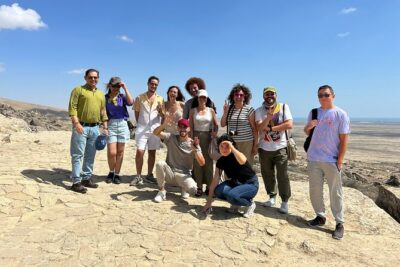
BEST Gobustan, Volcanoes & Absheron Fire Tour (Group or Private)
Read our review →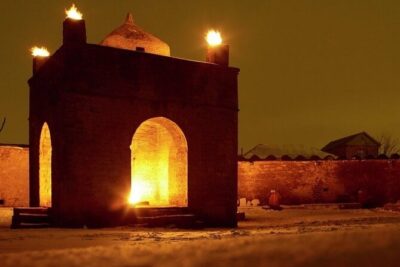
Gobustan, Volcanoes, Fire Temple and Yanardag Day Trip
Read our review →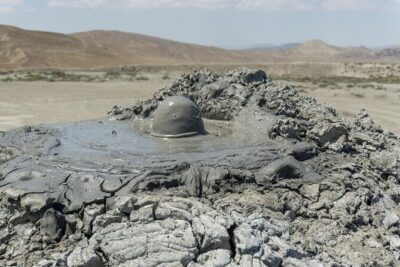
Gobustan & Mud, Fire Temple, Burning Mountain (Group & Private)
Read our review →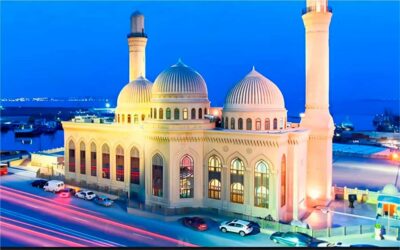
Mud Volcan-Fire Temple and Mountain Tour/Entrance inc
Read our review →
Gobustan Mud Volcanoes Temple & Entry tickets included
Read our review →Browse the lists this tour appears in