
Reviewed · GOBUSTAN TOURS
Gobustan & Absheron Tour with Free Old City Walking Tour
Ancient carvings meet hills of fire. This full-day trip gives you a wide look at Azerbaijan in one outing, from the prehistoric petroglyphs of Gobustan to the flame-fed traditions of the Absheron Peninsula and the stone lanes of Baku’s Old City. I like the way it joins archaeology and natural oddities rather than treating them as separate day trips. I also like the included Old City walk, which adds medieval Baku to a day otherwise spent outside the capital.
The price looks almost impossibly low at $3 per person, but entrance fees are extra unless you choose the option that includes them. You should also expect a long day, uneven ground, and a required mud volcano fee, with the route changing in rainy weather.
In This Review
- Five things to know before you book
- Why this day covers so much of Azerbaijan
- Gobustan’s ancient carvings and the first look at early life
- The Gobustan museum adds meaning to the rocks
- Mud volcanoes, with an important cash warning
- Ateshgah Fire Temple and the old beliefs of Absheron
- Yanar Dag, where the hillside burns
- Baku’s Old City gives the day a human scale
- The guides make the difference
- What the $3 price really means
- Who should take this full-day route
- FAQ
- How long does the Gobustan and Absheron tour last?
- Are entrance fees included in the $3 price?
- Is the mud volcano fee required?
- What languages are available for the guide?
- Is hotel pickup included?
- Can I cancel the tour for a refund?
- Should you book it?
Five things to know before you book
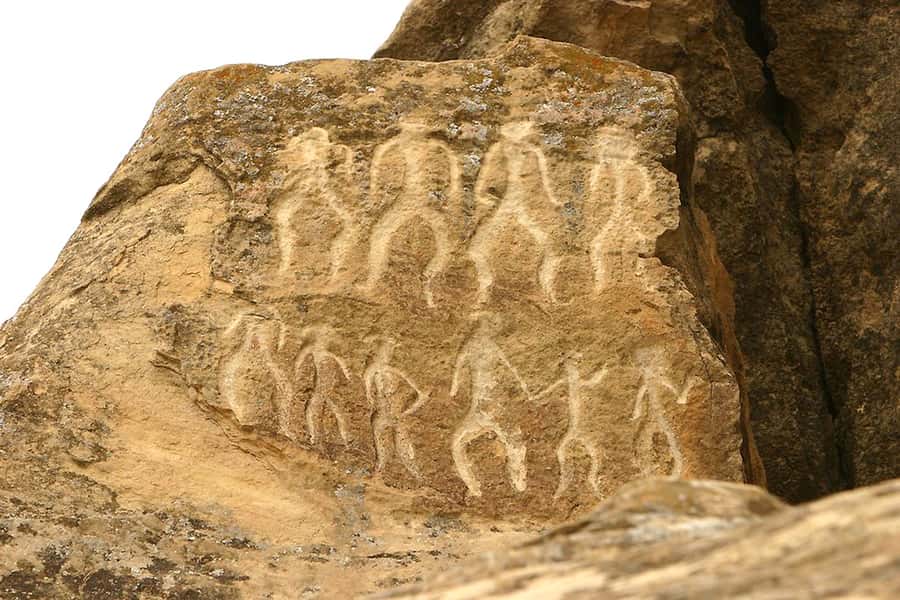
- Gobustan’s petroglyphs are the main cultural stop: You see images of hunting, dancing, ritual activity, and daily life carved into rock over thousands of years.
- The mud volcano visit has a separate 30 AZN cash fee: This charge applies even if rain changes the route to the Mud Volcanoes Complex.
- Ateshgah and Yanar Dag explain Azerbaijan’s fire identity: One is a historic fire temple, while the other is a natural gas flame burning from a hillside.
- The Old City walk is done on foot: Expect narrow stone streets, the Maiden Tower, city walls, caravanserais, and the Shirvanshahs’ Palace area.
- Guiding is a major strength: Gaya, also spelled Guya in the tour information, is praised for clear explanations of Baku’s architecture, religion, and culture. Aydin is also singled out for his enthusiasm and love of the subject.
- The day can last 12 hours: This works best if you want maximum sightseeing in one day, not a slow, leisurely outing.
Why this day covers so much of Azerbaijan
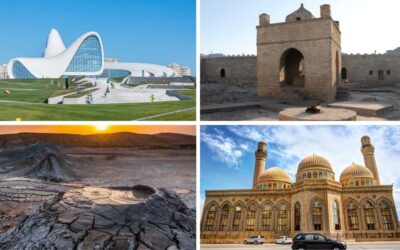
This tour works because the stops tell one connected story. Gobustan takes you back to early human life. Absheron shows how underground gas shaped religious practice and national identity. Baku’s Old City then brings you into the medieval and modern capital.
I appreciate that range. A standard city tour can leave you with grand buildings but little sense of the country beyond Baku. A countryside excursion can show you unusual geology but skip the capital’s most important historic quarter. Here, you get both.
The tradeoff is pace. You are covering Gobustan, a possible mud volcano stop, Ateshgah, Yanar Dag, and an Old City walk in roughly 12 hours. You will have time to see each place, but this is not the day for lingering over every inscription or taking a long lunch.
Transportation, hotel pickup, drop-off, and an English-speaking guide are included. Russian and Arabic guiding are also available. The Old City portion is a walking tour, so the transportation included language does not mean you will be driven between every sight once you enter Icherisheher.
More Gobustan rock-art trips from Baku:
- Baku: Gobustan, Mud Volcano, Fire Mount, Temple Lunch Entry
★ 4.9 · 3,246 reviews - BEST Gobustan, Volcanoes & Absheron Fire Tour (Group or Private)
★ 5.0 · 1,254 reviews - Gobustan and Absheron tour (All inclusive)
★ 5.0 · 1,014 reviews
Gobustan’s ancient carvings and the first look at early life
Gobustan National Park is the most important stop for understanding Azerbaijan before cities, empires, and organized religions shaped the region. The rock carvings show people hunting, dancing, taking part in rituals, and living closely with animals and the land around them.
The images are simple, but that is their power. You are not looking at polished sculpture made for a palace. You are seeing marks left by early communities, and the scenes give you small clues about movement, work, ceremony, and survival.
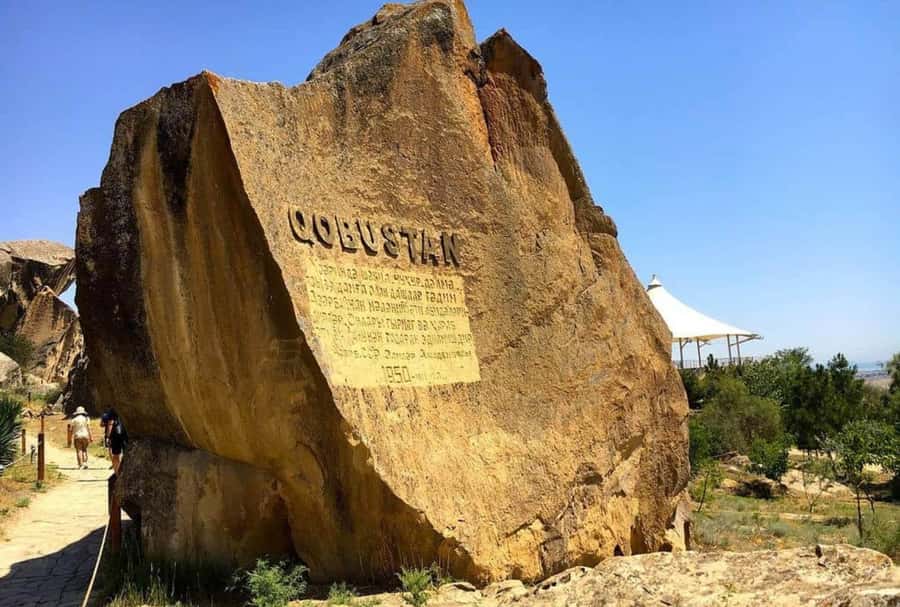
The site is a UNESCO World Heritage Site, and its value comes from the sheer span of time represented there. The carvings date back tens of thousands of years, so the visit feels less like a normal museum stop and more like reading a very old outdoor record.
I would pay close attention to the guide here. Without explanation, some carvings can look faint or easy to miss. A good guide helps you understand why a particular figure matters and how the scenes connect to early human activity.
The ground is uneven, so sturdy shoes are more useful than fashionable ones. Comfortable footwear will make the walking easier and help you focus on the carvings instead of every loose stone beneath your feet.
The Gobustan museum adds meaning to the rocks
The modern interactive museum helps fill in what the open-air site cannot explain on its own. It provides more background on the people who made the carvings and places the images within the wider story of Gobustan.
I like this combination of museum and outdoor visit. The museum gives you a framework, then the rocks make that information tangible. If you only walk among the carvings, you may appreciate the setting but miss some of the archaeological detail.
The stop is also useful if the weather is less pleasant. Gobustan is an outdoor site, while the museum offers a more sheltered way to continue learning. You should still dress for changing conditions because the day moves between open ground, roads, and several outdoor stops.
Mud volcanoes, with an important cash warning
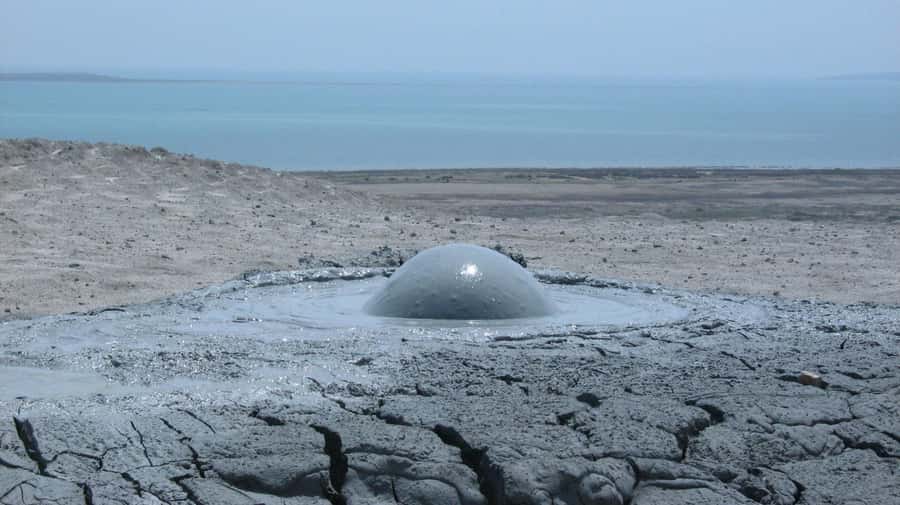
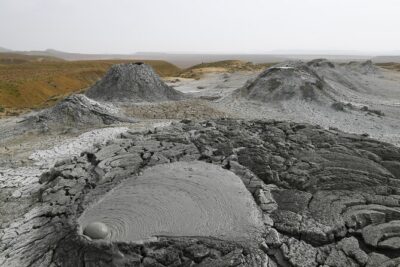
A mud volcano stop may be included depending on weather and road conditions. The information for this tour also says the Mud Volcanoes Complex is mandatory and charges 30 AZN in cash, even when rain redirects the tour there.
This is the most important cost detail to understand before booking. The $3 headline price does not represent the full amount you may pay during the day. If all listed fees apply, the additional charges are:
- Gobustan: 10 AZN
- Mud Volcanoes Complex: 30 AZN cash
- Ateshgah and Yanar Dag together: 15 AZN
That totals 55 AZN in listed entrance and site fees, before food and drinks. Check the exact booking option carefully. Selecting Entrance Fees Included is the simpler choice if you prefer to avoid carrying and paying several separate charges.
The mud volcanoes are an unusual natural feature and one of the more distinctive sights around Baku. You may be able to collect a small amount of mud in an empty bottle as a souvenir. Bring the bottle empty, not full, and keep your expectations sensible: this is a natural site, not a polished attraction with a long list of facilities.
Rain does not necessarily cancel the experience. Instead, the route can shift to the Mud Volcanoes Complex, and the fee remains the same. That makes the weather policy practical, but it also means you should not assume rain will reduce the day’s cost.
More of the Absheron peninsula:
- Baku: Gobustan Absheron Tour Entry Tickets included
★ 4.9 · 329 reviews - Baku: Gobustan-Absheron Tour with Hotel PICK UP and DROP OFF
★ 4.8 · 170 reviews - Baku: Gobustan/Absheron guided tour with lunch and tickets
★ 4.8 · 158 reviews - Gobustan and Absheron peninsula ( Group or Private ) TOUR ( All inclusive )
★ 5.0 · 130 reviews
Ateshgah Fire Temple and the old beliefs of Absheron
The tour then turns toward the Absheron Peninsula, where natural gas influenced both local life and religious practice. Ateshgah is a historic fire temple linked with Zoroastrian worshippers and merchants moving along Silk Road routes.
The temple is valuable because it gives context to the phrase Land of Fire. Flames were not simply a scenic curiosity here. For people who worshipped fire, a naturally burning flame carried religious meaning. The site also reflects the movement of traders and beliefs across this part of Asia.
I find Ateshgah more rewarding when you treat it as a place of ideas, not only as a set of old walls. Ask the guide about the relationship between fire, travel, trade, and worship. The English, Russian, or Arabic guide can help connect the architecture to the larger story.
The stop is not a substitute for a full religious-history course, and the visit is fairly focused. Still, after Gobustan’s prehistoric carvings, Ateshgah provides a clear change of subject. You move from early human scenes to an organized faith built around sacred flame.
The combined entry charge for Ateshgah and Yanar Dag is listed as 15 AZN. Food and drinks are not included, so plan for your own meals and refreshments during this long day.
Yanar Dag, where the hillside burns
Yanar Dag, or Burning Mountain, is the tour’s most immediate natural spectacle. Natural gas flames rise from the hillside, and the fire has burned continuously for centuries.
The sight is easy to understand without a long lecture: the ground itself is on fire. Yet the guide’s explanation gives it more weight. After seeing Ateshgah, Yanar Dag shows how the same underground gas that inspired religious practice can also shape a country’s image.
I would not expect a huge mountain of flame. The appeal is the strange, steady fire along the slope and the thought that it comes from below the earth rather than from a lamp or staged display. Wind, daylight, and weather can affect how dramatic it looks, so keep the stop in perspective.
This is also a good place to remember that Azerbaijan’s fire identity is not just a slogan for modern tourism. The combination of natural gas, sacred fire, and old trade routes explains why the idea has lasted.
Baku’s Old City gives the day a human scale
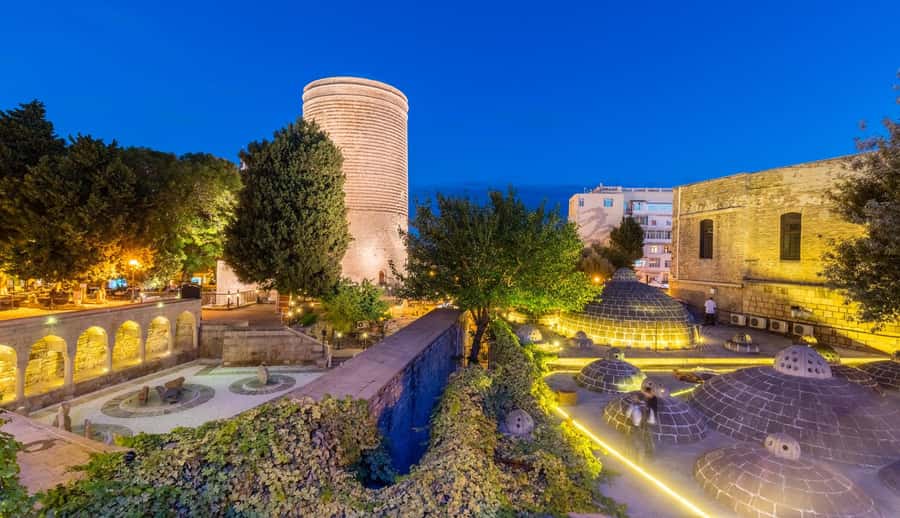
The free guided walk through Icherisheher adds the most traditional urban setting of the day. Inside the old walls, you walk through narrow stone streets and see some of Baku’s best-known historic sights.
The Maiden Tower is the obvious landmark, but the surrounding quarter is just as important. The route can include the Shirvanshahs’ Palace, old city walls, caravanserais, and traditional buildings. Together, these places show how Baku functioned as a fortified city and a stop for merchants.
I like ending with or adding this walking tour because it slows the subject down. Gobustan and Yanar Dag are striking, but they are viewed in short visits. In the Old City, you move at walking speed and can better notice doorways, stonework, lanes, and the way old buildings fit together.
One unusual detail from the guiding experience is a walk to Little Venice, followed by tea at a restaurant there. That sounds like an extension of the Old City outing rather than part of the remote-site transport, but it shows how the guide may shape the walk around Baku’s central sights and nearby attractions.
The Old City tour is especially useful if you have limited time in Baku. Gaya, also written as Guya, receives strong praise for explaining the city’s architecture, culture, and religions in an enthusiastic way. If you enjoy asking questions, this is likely where the guide’s personal knowledge adds the most value.
The guides make the difference
A long day with several historic stops can become a blur if the guide only announces names and dates. Here, the strongest feedback centers on the guides’ explanations and their willingness to answer questions.
Gaya is praised for giving a thorough tour of Baku and for explaining architecture, monuments, culture, and religion. One account also notes that the tour was available at short notice, which is useful if your schedule changes while you are in the city.
Aydin is described as talented, enthusiastic, and genuinely fond of his work. That matters on a route with very different subjects. Gobustan requires archaeological context, Ateshgah needs religious background, and the Old City calls for architectural detail.
Guiding quality can vary from one departure to another, so I would not assume every guide has the same style. Still, the available feedback points to a clear strength: this is not meant to be a silent transfer between photo stops. Ask questions, especially when you are unsure how the prehistoric carvings, fire worship, and medieval Baku fit together.
The tour offers English, Russian, and Arabic. Confirm your preferred language when booking.
What the $3 price really means
At $3 per person, the base price is excellent only if you understand what is and is not included. Hotel pickup, drop-off, transport, the professional guide, and the Old City walking tour are included. Entrance fees, food, and drinks are not.
The headline price therefore works best as an entry price, not as your complete budget. Add the listed 55 AZN in site charges if the Gobustan, mud volcano, Ateshgah, and Yanar Dag fees all apply. The mud volcano fee must be paid in cash, so carry enough AZN rather than relying on a card.
Choosing the entrance-included option costs more at booking but may offer better value for anyone who dislikes separate payments. It also makes the day easier to budget. If you are comfortable paying on site and want the lowest initial price, the basic option may suit you.
The real value comes from the number of places covered in one day. Separate transport to Gobustan and Absheron can take time and planning, while this outing combines them with a guided Baku walk. The price is especially attractive for first-time visitors who want an overview before deciding where to spend more time later.
Who should take this full-day route
I would recommend this tour to you if you want to see Azerbaijan’s major sights outside Baku without arranging several transfers. It suits first-time visitors, history fans, people curious about unusual geology, and anyone with only a short stay in the capital.
It also works well for you if you like explanations. The sites are more rewarding when someone points out the meaning behind the carvings, explains the role of fire worship, and places the Old City monuments in context.
You may want a different plan if you dislike long days or prefer to spend several hours at one archaeological site. The 12-hour schedule covers a lot of ground, and the uneven paths at Gobustan may be tiring. You should also budget for food, drinks, and the separate entrance charges.
Free cancellation up to 24 hours before departure and reserve-now, pay-later booking make the plan easier to adjust. Private guides are available on request, though the price and arrangements should be confirmed before you book.
FAQ
How long does the Gobustan and Absheron tour last?
The tour lasts 12 hours. It includes Gobustan, Absheron’s fire-related sights, and a free guided walking tour of Baku’s Old City.
Are entrance fees included in the $3 price?
No. Standard entry fees are not included unless you select the Entrance Fees Included option. The listed charges are 10 AZN for Gobustan, 30 AZN in cash for the Mud Volcanoes Complex, and 15 AZN for Ateshgah and Yanar Dag.
Is the mud volcano fee required?
The tour information says the Mud Volcanoes Complex fee is mandatory and remains 30 AZN in cash, even if rain changes the route to the mud volcano site.
What languages are available for the guide?
Guiding is available in English, Russian, and Arabic.
Is hotel pickup included?
Yes. Hotel pickup and drop-off are included, along with transportation during the tour.
Can I cancel the tour for a refund?
Yes. You can cancel up to 24 hours in advance for a full refund. The tour also offers reserve-now, pay-later booking.
Should you book it?
Book this tour if you want a packed introduction to Baku and the surrounding region, with archaeology, geology, religious history, and medieval architecture in one day. Gobustan and Yanar Dag are the signature stops, while the Old City walk gives the experience its strongest connection to everyday Baku.
Before booking, calculate the added site fees and carry 30 AZN in cash for the mud volcanoes. Choose the entrance-included option if convenience matters more than the lowest booking price. With comfortable shoes, a water bottle, and realistic expectations about the long schedule, this is a strong-value way to see Azerbaijan’s fire country and its capital in one ambitious outing.
More Walking Tours in Baku
- Baku: Stunning Walking Tour of Historical and Modern City
★ 4.9 · 270 reviews - Baku Old Town Walking Tour with a Local
★ 5.0 · 64 reviews - Baku Downtown Original Walking Tour
★ 5.0 · 36 reviews - Baku Old City Wonders: A Walking Tour Through Time
★ 5.0 · 36 reviews
More Old City Tours in Baku
- Baku Oil Heritage & Old Town Walking Tour
★ 5.0 · 232 reviews - Guba Khinalug & Candy Cane Mountains tour (by Old City Tours)
★ 4.5 · 208 reviews - Gabala + Shamakhi tour (by Old City Tours)
★ 4.5 · 198 reviews - Baku Walking Tour (Old City)
★ 5.0 · 127 reviews
Newest Baku write-ups
- Wine Tour Baku★ 5.0 · 4 reviews
- Wine Crawl Baku★ 5.0 · 2 reviews
- Traditional Azerbaijani Cuisine Workshop★ 5.0 · 5 reviews
- The Magnificent Baku Night Tour★ 5.0 · 3 reviews
- Small-Group Day Trip to Gobustan, Mud Volcanoes, Ateshgah & Yanar Dagh★ 4.5 · 3 reviews
- 2 days tour to Sheki★ 5.0 · 2 reviews
- Sheki tour with overnight★ 5.0 · 5 reviews
- Azerbaijan tour in 2 days/Sheki+Lahij+Gabala up to Georgia Border★ 4.5 · 6 reviews
Gobustan Tours, compared.
Gobustan, Mud Volcano, Fire Mount, Temple Lunch Entry
Read our review →
BEST Gobustan, Volcanoes & Absheron Fire Tour (Group or Private)
Read our review →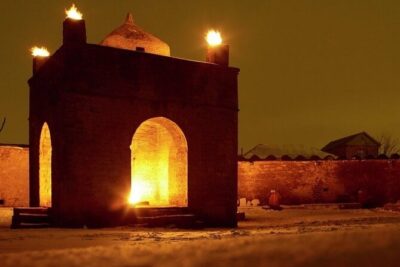
Gobustan, Volcanoes, Fire Temple and Yanardag Day Trip
Read our review →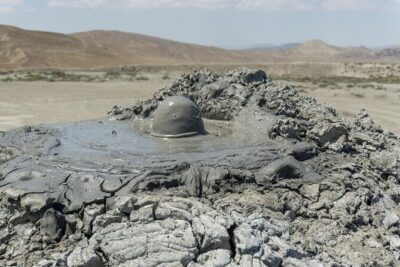
Gobustan & Mud, Fire Temple, Burning Mountain (Group & Private)
Read our review →
Mud Volcan-Fire Temple and Mountain Tour/Entrance inc
Read our review →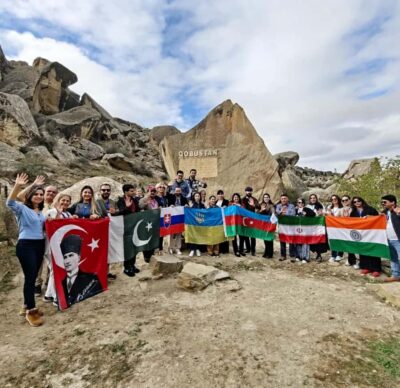
Gobustan Mud Volcanoes Temple & Entry tickets included
Read our review →Browse the lists this tour appears in