
Reviewed · OLD CITY TOURS
Baku old city tour
History begins at the city gates. This three-hour walk introduces you to Baku’s walled Old City while showing how the capital developed beyond its medieval core. I like the clear meeting point at the Double Gates and the private format, which means your group can ask questions and keep a comfortable pace.
I also like the route’s variety. You move from a khan’s former palace and an old caravanserai to mosques, a miniature-book museum, Maiden Tower, and the Palace of the Shirvanshahs. The main drawback is that admission to Maiden Tower and the palace costs extra, so the $50 price is not the full cost if you want to enter both.
The guide is a major part of the outing. Valeh is specifically praised for explaining the historical importance of the Old City and for being flexible when plans need adjusting. If you want a gentle introduction before exploring Baku on your own, this is a sensible starting point.
In This Review
- Key points to know before booking
- Starting at Baku’s Double Gates
- House of the Baku Khans and a vanished court
- Bukhara Caravanserai and the merchant road
- Maiden Tower, Baku’s famous symbol
- Muhammad Mosque and the damaged tower
- Juma Mosque and older religious foundations
- A tiny museum with a big curiosity factor
- Palace of the Shirvanshahs: the main historic stop
- What $50 means in practical terms
- Pace, comfort, and guide style
- Who should book this Baku walk?
- Should you book it?
- FAQ
- How long is the Baku Old City tour?
- Where does the tour begin?
- Where does the tour end?
- Is this a private tour?
- Are admission tickets included?
- Is lunch included?
- Can I cancel for a full refund?
- What happens if bad weather cancels the tour?
Key points to know before booking
- The tour begins at the Double Gates, a natural entrance into Icheri Sheher, Baku’s historic walled quarter.
- It is a private tour, so only your group takes part.
- The route combines major sights and smaller stops, including Bukhara Caravanserai, the two mosques, and the Miniature Books Museum.
- Maiden Tower and the Palace of the Shirvanshahs require separate admission, while the other listed stops are free to enter.
- The palace receives about an hour, making it the most substantial stop on the route.
- The tour ends where it starts, at Qala Qapısı Restoranı on Cavadxan Street.
Starting at Baku’s Double Gates
Your meeting point is Qala Qapısı Restoranı, by the Gosha Gala, or Double Gates. This is a useful place to begin because the gates make the Old City entrance easy to identify. You do not need to search for a small office or meet at an obscure side street.
From here, your guide leads you into Icheri Sheher, the Old City enclosed by historic walls. The first stop takes about ten minutes and has no admission charge. More than a photo stop, it gives you a quick sense of the boundary between present-day Baku and the older quarter inside.
The tour is described as an introduction to both old and modern Baku. Most of the walking takes place in the Old City, but the guide also explains the city’s stages of development, helping you place the medieval streets within the wider capital.
Since this is a walking tour, wear comfortable shoes. The schedule includes several short stops close together, followed by longer time at the palace. You will get more from the guide if you can walk and listen without rushing.
Other walks inside the walled old city:
- Baku Oil Heritage & Old Town Walking Tour
★ 5.0 · 232 reviews - Guba Khinalug & Candy Cane Mountains tour (by Old City Tours)
★ 4.5 · 208 reviews - Gabala + Shamakhi tour (by Old City Tours)
★ 4.5 · 198 reviews
House of the Baku Khans and a vanished court
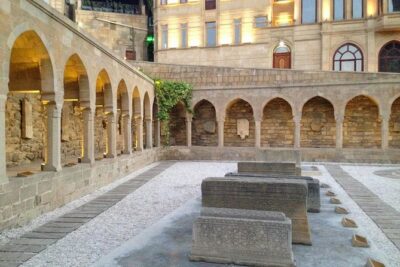
The House of the Baku Khans is a brief but useful stop. This site once included the palace, bathhouse, and garden of Baku’s eighteenth-century khans. The surviving place helps turn a general story about local rulers into something more concrete.
The ten-minute visit will not provide the same amount of time as a museum tour, so listen closely as the guide explains what the complex represented. It is a good example of how the Old City was not only a place of merchants and religious buildings. It also housed ruling families and the institutions that supported them.
I appreciate this stop because it adds social context to the stone walls and narrow lanes. Without it, a walk through Icheri Sheher could become a parade of attractive buildings with little sense of who lived there.
Bukhara Caravanserai and the merchant road
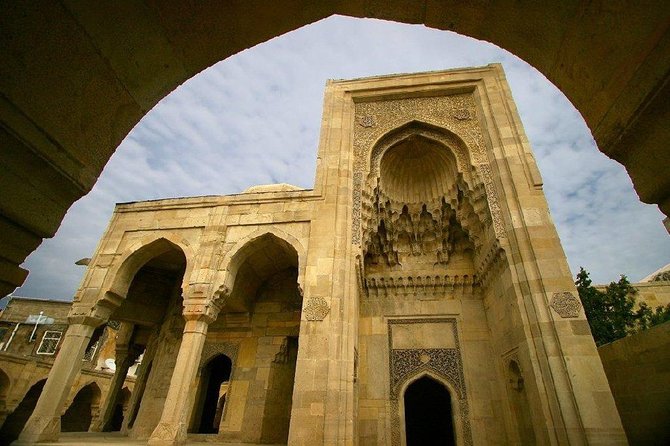
Bukhara Caravanserai offers a look at the commercial side of Baku’s past. Caravanserais were important buildings in Eastern architecture, providing overnight shelter for merchants and people traveling long distances.
This Baku example was built in the late fifteenth century and served merchants and travelers from Central Asia. It is an open-type caravanserai, a detail worth remembering because the design reflects the movement of goods and people across the region.
The stop lasts about ten minutes and admission is free. That is enough time to understand the building’s purpose and see how a caravanserai fit into urban life. If you enjoy trade routes, old inns, and the practical side of history, this may be one of the most rewarding short stops.
It also keeps the tour from focusing only on grand monuments. The city’s past was built by everyday movement: merchants arriving, animals and goods being handled, and people needing a safe place to stay.
Maiden Tower, Baku’s famous symbol
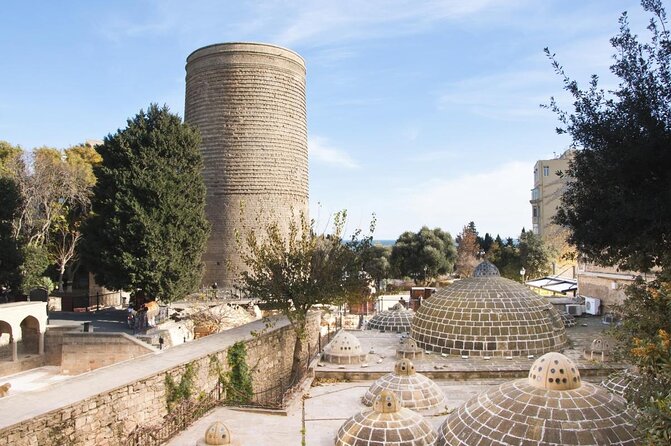
Maiden Tower, known locally as Qız Qalası or Giz Galası, is one of Baku’s best-known landmarks. It sits in the heart of Icheri Sheher and has become a symbol of the capital.
The guide allows about ten minutes here. That works well if you want an orientation and exterior explanation, but it is not a long museum visit. Admission is not included, so you should set aside extra money if you want to go inside.
The tower is a place where a guide adds real value. Its importance is obvious from its size and location, but the reason it became such a strong symbol of Baku is less obvious. A short explanation helps you see it as more than an isolated stone tower.
If entering is important to you, confirm the current ticket price before booking because the tour details do not specify it. You should also allow for the possibility that an interior visit could affect the pace of the three-hour walk.
A few more Baku trips worth lining up next to this one
- Baku: Gobustan, Mud Volcano, Fire Mount, Temple Lunch Entry
★ 4.9 · 3,246 reviews - Baku: Guba, Shahdag, Laza & Lunch w/ Free City & Night Tour
★ 4.8 · 1,455 reviews - BEST Gobustan, Volcanoes & Absheron Fire Tour (Group or Private)
★ 5.0 · 1,254 reviews - Gobustan and Absheron tour (All inclusive)
★ 5.0 · 1,014 reviews
Muhammad Mosque and the damaged tower
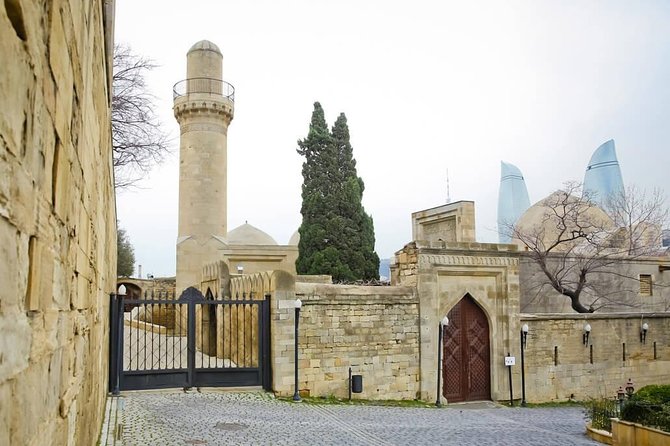
The Muhammad Mosque is another short stop, with free admission listed. It is also known as the Siniggala, or damaged tower, mosque.
The building was badly damaged in the eighteenth century when Russian ships shelled Baku. That single event gives the site a direct connection to the city’s periods of conflict and change. Rather than treating the mosque only as an old religious building, the guide can explain how damage became part of its identity.
You should expect about ten minutes here. The stop is best for hearing the story, observing the structure, and understanding its place within the Old City. If you want extended time for prayer, architecture study, or quiet reflection, the schedule may feel brief.
The free admission keeps the basic tour price easier to manage. As with all religious sites, follow the guide’s instructions about appropriate behavior and access.
Juma Mosque and older religious foundations
Juma Mosque is one of Baku’s main mosques and occupies an important place in the capital’s religious story. It was built over the remains of a Zoroastrian temple, linking the site to an earlier period of belief.
That layered history is the reason I would pay close attention here. In a few steps, the site connects pre-Islamic religious practice with the later Islamic character of Baku. The building is not just a place to photograph. It is a reminder that cities change use while keeping traces of earlier lives.
The stop takes about ten minutes and admission is free. The limited time means you will probably receive a concise explanation rather than a long architectural lecture. For a first visit, that is a fair trade, especially since the route has several other major sights.
A tiny museum with a big curiosity factor
The Baku Museum of Miniature Books is an unusual stop. Its books are small enough to fit in your hand, and the collection entered the Guinness Book of Records as the largest collection of miniature books in the world.
This is a welcome change of pace after towers, mosques, and palace walls. You are not simply moving from one monumental building to another. Instead, you get a compact museum visit built around an object most people do not expect to find on an Old City walk.
Admission is listed as free. The stop lasts about ten minutes, which should be enough to see the concept and selected exhibits. If you have a special interest in rare books or tiny objects, you may wish the schedule allowed more time. Still, its brief length makes sense within a route already packed with major sites.
This stop also suits families and anyone who enjoys an odd detail. Baku’s Old City can feel grand and serious; a collection of miniature books adds a little wit.
Palace of the Shirvanshahs: the main historic stop
The Palace of the Shirvanshahs receives about an hour, making it the central stop of the tour. It is described as a major architectural landmark and a UNESCO World Heritage Site, often called the pearl of Azerbaijani architecture.
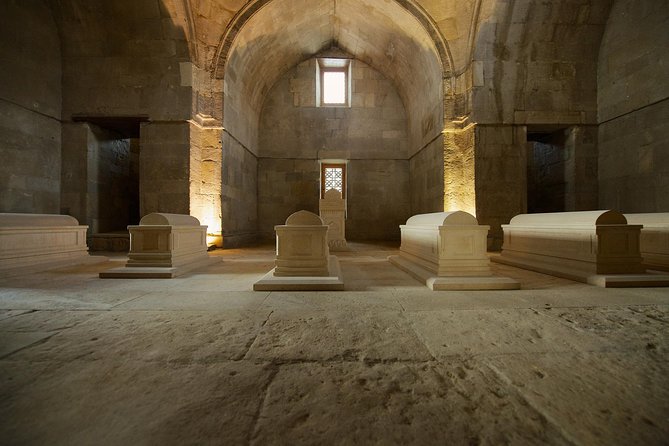
The palace is now a museum. Inside, you can see exhibits connected with the Shirvanshahs, including jewelry made for women and horses, along with belongings associated with the ruling family and other prominent people.
This longer visit gives the tour a proper center. The earlier stops provide pieces of Baku’s story, while the palace brings together politics, architecture, court life, and material culture. You have enough time to look beyond the exterior and consider how the ruling household lived and presented its power.
Admission is not included. That matters because the palace is the stop most likely to justify an additional ticket. If you are deciding where to spend extra money, I would put this ahead of entering Maiden Tower, unless the tower is a personal priority.
The palace visit may also be where the three-hour estimate feels tight. The route includes many ten-minute stops, and an hour inside the palace leaves limited room for delays. A private group helps here because the guide can adjust the pace, but you should still avoid assuming every room can be studied at leisure.
What $50 means in practical terms
At $50 per person, the value depends on what you want from a short visit. You are paying for a private guide, a focused route, and explanations at several important sites. You are not paying for lunch or admission tickets.
For a solo visitor, the price may feel high compared with simply walking through the Old City. Yet a self-guided walk can leave you looking at a palace, mosque, or caravanserai without understanding its role. The guide connects the stops and explains how Baku developed, which is the main service you are buying.
The private format makes the price more attractive for couples, families, or small groups. Only your group participates, and group discounts are available. Ask about the discount before booking if you are traveling with several people.
You should budget separately for Maiden Tower and the Palace of the Shirvanshahs. The other listed stops have free admission, so the extra cost is limited to the two headline monuments named in the route.
Pace, comfort, and guide style
The walk lasts about three hours and returns to the original meeting point. That makes it easy to fit into a morning or afternoon without arranging a second pickup.
The schedule mixes short ten-minute stops with a one-hour palace visit. This gives you a broad introduction rather than a slow architectural study of every building. I would choose it early in a Baku stay, when you want to learn the layout and decide which places deserve a later return.
Valeh receives particular praise for explaining the Old City in a clear way and for being flexible when the group’s needs change. That flexibility is especially useful on a private tour. You can ask for clarification, spend more time on a favorite subject, or keep moving if one stop is less important to you.
Most people can participate, and service animals are allowed. The meeting point is near public transportation. The activity requires good weather, so a cancellation caused by poor conditions may lead to a new date or a full refund.
Free cancellation is available if you cancel at least 24 hours before the start time. Changes or cancellations made later are not accepted for a refund, and the cut-off uses Baku local time.
Who should book this Baku walk?
I would recommend this tour if you have limited time in Baku and want the main Old City sights explained in one compact outing. It suits first-time visitors, couples, families, and anyone who prefers a private guide to a large group.
It is also a good choice if you care about context. The route covers rulers, merchants, religious change, warfare, books, and palace life rather than showing you only the most photographed monuments.
You may prefer another option if you want long, unhurried time inside every attraction. The ten-minute stops are deliberately brief, and the two admission-ticket sites cost extra. Independent walkers who enjoy reading signs and setting their own pace may find the fixed route less appealing.
Should you book it?
Book this tour if you want a well-organized first look at Baku’s Old City, with a private guide and a strong mix of major landmarks and unusual details. The Double Gates meeting point, the free-entry stops, and the return to the starting place make it practical.
Before paying, decide if you are comfortable adding admission for Maiden Tower and the Palace of the Shirvanshahs. If you are, the $50 fee offers a useful introduction, especially with Valeh’s clear explanations and flexible approach. If you want a slow museum day, skip it and explore the palace and tower at your own pace.
FAQ
How long is the Baku Old City tour?
The walking tour lasts approximately three hours.
Where does the tour begin?
It begins at Qala Qapısı Restoranı on Cavadxan Street in Baku, in front of the Double Gates.
Where does the tour end?
The activity ends back at the original meeting point.
Is this a private tour?
Yes. Only your group participates in the activity.
Are admission tickets included?
No. Admission fees are not included. The route specifically lists separate admission for Maiden Tower and the Palace of the Shirvanshahs.
Is lunch included?
No. Lunch is not included in the tour price.
Can I cancel for a full refund?
Yes, if you cancel at least 24 hours before the experience start time. Cancellations made less than 24 hours in advance are not refunded.
What happens if bad weather cancels the tour?
If poor weather causes cancellation, you will be offered another date or a full refund.
Newest Baku write-ups
- Wine Tour Baku★ 5.0 · 4 reviews
- Wine Crawl Baku★ 5.0 · 2 reviews
- Traditional Azerbaijani Cuisine Workshop★ 5.0 · 5 reviews
- The Magnificent Baku Night Tour★ 5.0 · 3 reviews
- Small-Group Day Trip to Gobustan, Mud Volcanoes, Ateshgah & Yanar Dagh★ 4.5 · 3 reviews
- 2 days tour to Sheki★ 5.0 · 2 reviews
- Sheki tour with overnight★ 5.0 · 5 reviews
- Azerbaijan tour in 2 days/Sheki+Lahij+Gabala up to Georgia Border★ 4.5 · 6 reviews
Old City Tours, compared.
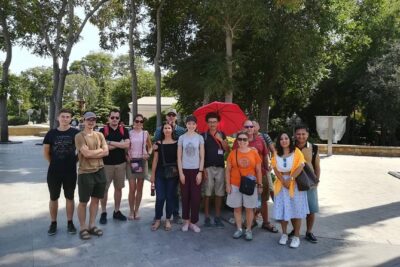

Guba Khinalug & Candy Cane Mountains tour (by Old City Tours)
Read our review →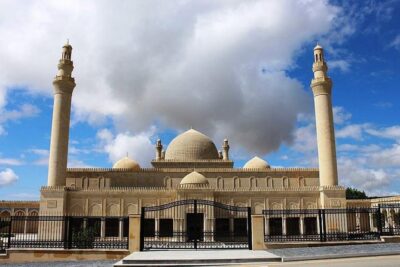
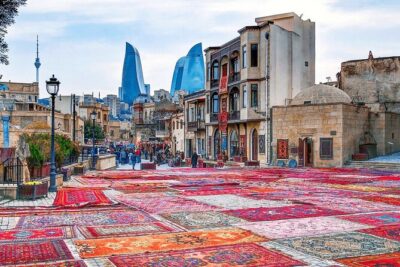
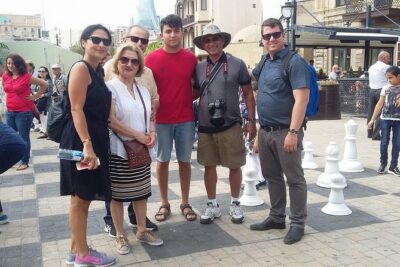
Baku Old City Tour (officially by Old City Tours)
Read our review →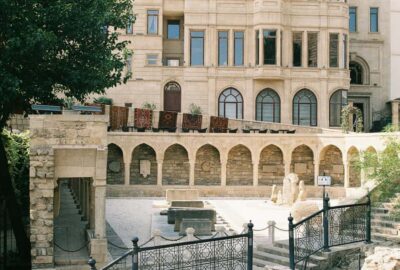
Baku Old City Wonders: A Walking Tour Through Time
Read our review →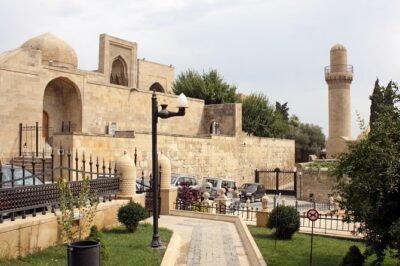
Browse the lists this tour appears in