
Reviewed · GOBUSTAN TOURS
Gobustan and Fire temple Tour with Polish speaking guide
Ancient art meets burning earth here. This Baku day tour links Gobustan’s mud volcanoes and petroglyphs with Absheron’s fire sites, oil history, and Bibiheybat Mosque. I like the broad mix of nature, archaeology, religion, and industry. You see several sides of Azerbaijan without arranging separate outings.
I also like the Polish-speaking guide, especially if historical details matter to you. The guide adds context to the rock carvings, fire worship, mosque, and oil boom instead of leaving you to decode each stop alone. The main drawback is extra admission: tickets cost 30 AZN if you do not choose the ticket-inclusive option.
This is a full sightseeing day, not a quick city excursion. You will spend time on the road between Baku, Gobustan, and the Absheron Peninsula, but the route gives you a useful picture of how natural gas, oil, faith, and early human life shaped this part of Azerbaijan.
In This Review
- Key points to know before you book
- Why this route works from Baku
- Gobustan’s mud volcanoes: strange, raw, and worth seeing
- Gobustan petroglyphs and a glimpse of early life
- Bibiheybat Mosque brings a change of pace
- Azerbaijan’s first drilled oil well
- Ateshgah, the Fire Temple of Baku
- Yanardagh’s natural flame on the hillside
- The Heydar Aliyev Center photo stop
- What the $65 price really covers
- Who will enjoy this tour most
- Small details that make the day easier
- Should you book this Gobustan and Fire Temple tour?
- FAQ
- Is hotel pickup included?
- Is transportation included in the $65 price?
- Is a Polish-speaking guide available?
- Are entrance tickets included?
- Does the tour enter the Heydar Aliyev Center?
- Can I cancel the booking?
Key points to know before you book
- Gobustan combines mud volcanoes with ancient petroglyphs, giving you two very different experiences in one stop.
- Bibiheybat Mosque adds a quiet architectural pause between the outdoor sights and the industrial history of oil.
- The first drilled oil well connects the tour to Azerbaijan’s oil boom, a major part of the country’s modern story.
- Ateshgah and Yanardagh are separate fire attractions, with one showing human religious use and the other showing a natural gas flame.
- The 30 AZN admission cost matters, since Gobustan, Ateshgah, and Yanardagh are not included unless you select the ticket option.
- Heydar Aliyev Center is a photo stop only, because the group does not enter the building due to time limits.
Why this route works from Baku
Azerbaijan can feel like several countries in one trip. Baku gives you grand urban architecture and Caspian views, while the nearby countryside brings dry hills, ancient carvings, mud volcanoes, oil wells, and natural flames.
This tour gathers those contrasts into one route. I find that useful if you have limited time in Baku and want more than a city walk. Instead of spending the whole day on museums or central monuments, you get out into the wider region and see places tied directly to Azerbaijan’s geology and past.
The route also has a clear theme: things that come from the ground. Mud rises from underground pockets at Gobustan. Oil shaped the economy near Baku. Natural gas feeds the flames at Ateshgah and Yanardagh. The petroglyphs and mosque add the human side of that story.
Hotel pickup and drop-off are included, as is roundtrip transportation. You can also arrange pickup from a central location. A bottle of water is provided, which is a small but useful touch for a day that includes outdoor stops.
No tour duration is specified, so I would not plan another fixed appointment on the same day. The itinerary includes several sites spread across two areas, and the operator notes that the schedule is tight enough to make the Heydar Aliyev Center a photo stop rather than an indoor visit.
More Gobustan rock-art trips from Baku:
- Baku: Gobustan, Mud Volcano, Fire Mount, Temple Lunch Entry
★ 4.9 · 3,246 reviews - BEST Gobustan, Volcanoes & Absheron Fire Tour (Group or Private)
★ 5.0 · 1,254 reviews - Gobustan and Absheron tour (All inclusive)
★ 5.0 · 1,014 reviews
Gobustan’s mud volcanoes: strange, raw, and worth seeing
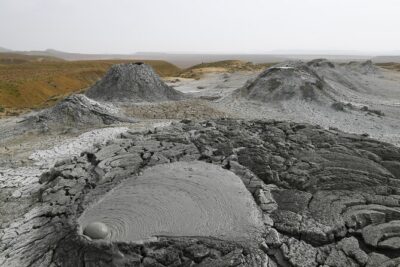
The mud volcanoes are one of the most unusual parts of the day. Instead of lava, these formations bubble and ooze cool mud and gases from below the ground. The result is a strange, bare setting that looks more like a science experiment than a normal sightseeing stop.
I like this stop because it is not a polished attraction. You are seeing a natural process in a simple setting, with the earth pushing small amounts of mud toward the surface. The sight can be subtle rather than dramatic, so your guide’s explanation helps you understand what you are looking at.
The outdoor nature of the visit is also the main practical consideration. Conditions can feel exposed, and the ground around mud features may be uneven. Wear practical shoes and avoid clothing you would worry about getting dusty. The supplied bottle of water is helpful, but carrying extra water may still be sensible if you prefer to stay well supplied.
Gobustan’s mud volcanoes are paired with the rock art portion of the trip. That pairing works well: one stop shows the region’s active geology, while the next shows people leaving marks here thousands of years ago.
Gobustan petroglyphs and a glimpse of early life
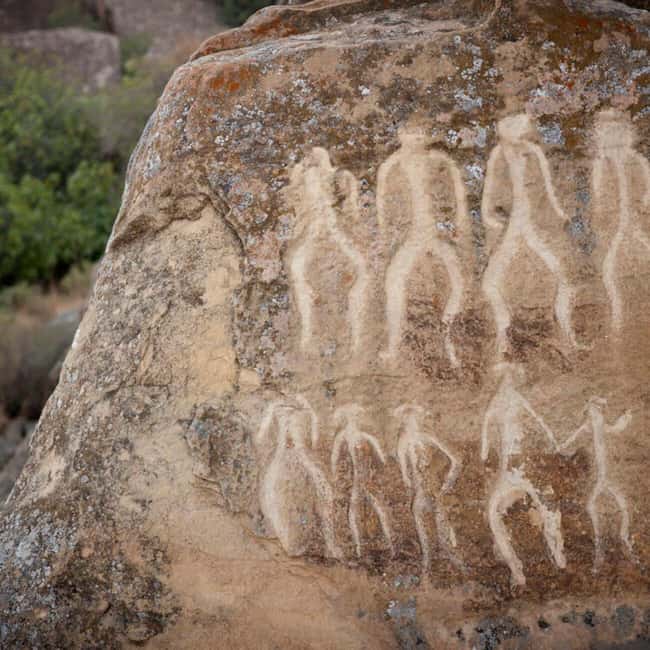
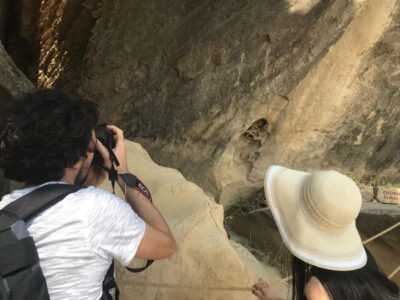
The rock art gives the Gobustan visit its human focus. Ancient petroglyphs record figures, animals, and scenes linked to early settlement in the region. They are not just marks on stone. They offer clues about how people observed the world and what they considered important enough to record.
I would pay close attention to the guide here. Petroglyphs can be easy to pass quickly, especially when the carvings are weathered or spread across rock surfaces. With historical explanation, the stop becomes more than a photo opportunity. You begin to think about the people who created these images and the long span of time between them and you.
The site is valuable because it connects Azerbaijan to early human activity without requiring a long museum visit. You are looking at the actual rocks where the carvings remain. That direct connection gives Gobustan more impact than a display of copied images indoors.
Admission is part of the cost calculation. Gobustan Rock Arts and the mud volcanoes are priced together at 15 AZN when tickets are not included. Check the booking option carefully, because the advertised tour price of $65 per person does not automatically mean all entry fees are covered.
Bibiheybat Mosque brings a change of pace
Bibiheybat Mosque shifts the mood from open geological sites to religious architecture. Its design gives you a chance to consider Azerbaijan’s Islamic traditions and local identity after the stark setting of Gobustan.
I like this stop because it breaks up the outdoor sightseeing. A day built only around volcanoes, rocks, and fire could become repetitive. The mosque adds lines, decoration, and a place connected to worship and community life.
The information provided does not specify an entrance fee or detailed visiting rules, so follow the guide’s instructions on where to go and how to dress. As with any active religious site, modest clothing and respectful behavior are good practice.
The mosque is not simply an architectural photograph. Its place in the itinerary helps you see that the Absheron region is shaped by more than oil and natural gas. The route includes ancient beliefs, Islamic heritage, and modern industry in a fairly compact day.
Other fire temple visits near Baku:
- Baku: Gobustan, Volcanoes, Fire Temple and Yanardag Day Trip
★ 4.7 · 433 reviews - Gobustan & Mud, Fire Temple, Burning Mountain (Group & Private)
★ 4.5 · 418 reviews - Gobustan-Mud Volcan-Fire Temple and Mountain Tour/Entrance inc
★ 5.0 · 267 reviews - Gobustan, Mud volcanoes, Fire temple, Fire mountain PRIVATE TOUR
★ 5.0 · 47 reviews
Azerbaijan’s first drilled oil well
The oil well stop explains why Baku became so important to the oil industry. Azerbaijan’s petroleum story is not a side note. It is central to the country’s economic development and to the growth of Baku.
At this site, you can connect the natural resources beneath the Absheron Peninsula with the modern wealth and industry they helped create. The mud volcanoes and burning gas are the natural side of the story. The drilled well shows what happened when people began extracting and using those resources on a large scale.
I find this stop especially useful for putting the rest of the day in context. Without it, the fire attractions can seem like isolated curiosities. With the oil well included, you see a wider pattern: underground gas and oil influenced local beliefs, industry, settlement, and national identity.
The information supplied does not give a guided demonstration or a museum program at the well, so expect a historical stop rather than a hands-on industrial tour. The guide’s commentary is important here, since the site’s meaning comes from its place in the story of Azerbaijan’s oil boom.
Ateshgah, the Fire Temple of Baku
Ateshgah is one of the most distinctive stops on the Absheron route. This temple was used by Zoroastrians, Hindus, and Sikhs, and it is associated with natural gas-fueled flames. The building gives you a chance to see how geology and religion once met in the same place.
The temple is especially interesting because it reflects more than one religious tradition. Its history is not limited to a single group, and the site helps show the long movement of people, ideas, and worship across the region.
The fire connection gives Ateshgah an immediate visual appeal, but I would not treat it as only a spectacular photo stop. Listen for the explanation of why fire mattered to the communities associated with the temple. That context gives the courtyard and buildings more meaning.
Ateshgah is included in the admission calculation with Yanardagh. Together, those two sites cost 15 AZN when tickets are purchased separately through the extra-fee arrangement. If you select the option without entry tickets, the total listed additional cost for Gobustan, Ateshgah, and Yanardagh is 30 AZN.
Yanardagh’s natural flame on the hillside
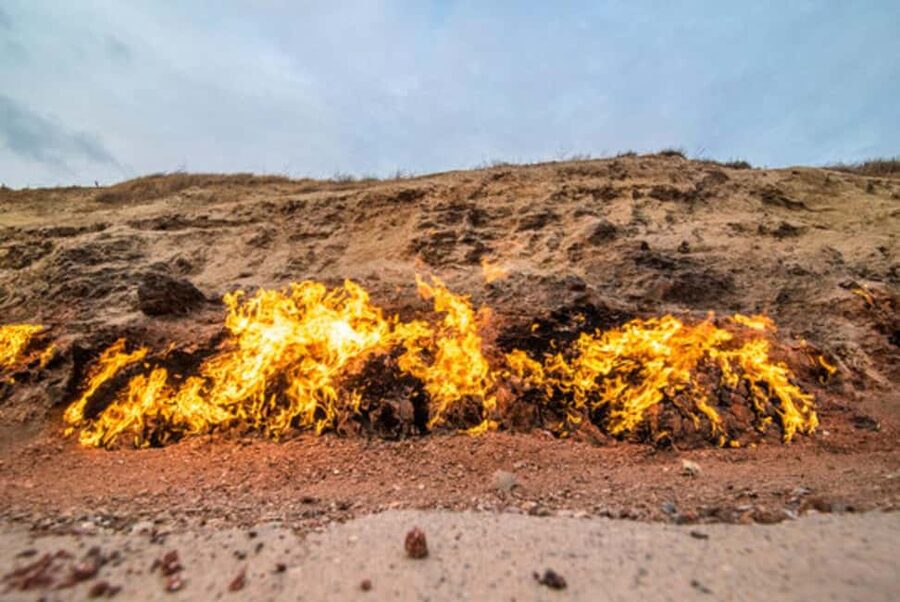
Yanardagh, known as the Burning Mountain, offers a different kind of fire experience. Here, a natural gas fire continuously burns on a hillside. Unlike Ateshgah, which shows a temple shaped by religious use, Yanardagh is a natural flame that has inspired wonder for centuries.
The contrast between the two stops is the point. At Ateshgah, people built a place around fire. At Yanardagh, the hillside itself burns. Seeing both in one route makes the region’s underground gas feel like a constant presence rather than an abstract geological fact.
Yanardagh is also a straightforward visit. You go to see the flame, take in the setting, and hear the explanation. The information provided does not promise a long walk or a special activity, so keep your expectations focused on the natural sight and its cultural importance.
Because Yanardagh is outdoors, practical shoes and water remain useful. The stop may not take as much time as Gobustan, but it is one of the tour’s most memorable images.
The Heydar Aliyev Center photo stop
The Heydar Aliyev Center is the final point on the route, but the group does not enter the building. It is visited as a sightseeing and photo stop because of time limits.
That distinction matters. The center is known for its striking modern form, so it works well as a final architectural image after a day of ancient carvings, temples, mosques, and industrial sites. But you should not book this tour expecting an indoor visit or access to exhibitions.
I like the contrast. The center gives the day a modern ending, reminding you that Azerbaijan’s story did not stop with ancient rock art, religious fire, or the first oil well. At the same time, the limited visit means you should see it as an exterior stop, not a full cultural-center experience.
If you want to tour the center inside, plan a separate visit in Baku. The schedule here is designed to cover the out-of-town sights first.
What the $65 price really covers
At $65 per person, the tour offers reasonable value if you want transportation and a Polish-speaking guide for a wide route outside Baku. Hotel pickup and drop-off remove the need to organize several connections, and roundtrip transportation matters because the sites are spread between Gobustan and Absheron.
The price is less simple once admission is considered. If you do not select the option with entry tickets, you pay an additional 30 AZN for Gobustan Rock Arts and mud volcanoes, Ateshgah, and Yanardagh. That means you should compare the final total, not only the headline price.
The value depends on your travel style. I think it works well for you if you want one organized day covering several major sights and prefer historical explanation in Polish. It is less attractive if you already have transport, want to spend a long time at each site, or plan to visit only Gobustan or only the fire attractions.
The guide is a major part of the value. The experience is built around stories and historical context, not just transport between stops. Since the tour is offered with a Polish-speaking guide, it is a practical choice for Polish-speaking visitors who want more than basic directions and photo breaks.
Who will enjoy this tour most
I would recommend this route to first-time visitors who want a broad introduction to the Baku region. It suits people interested in archaeology, geology, religious history, architecture, and oil heritage, especially when all of those subjects compete for limited time.
Families with older children may also find the mix appealing. Bubbling mud, a burning hillside, ancient carvings, and a fire temple give the day a strong visual thread. The educational value is clear without requiring you to spend the entire day inside a museum.
It is also a good fit for Polish-speaking visitors who value a guide in their own language. The single positive rating provided says highly recommended to everyone, but the small number of ratings means I would place more weight on the itinerary and price details than on the rating alone.
You may want another plan if you dislike long sightseeing days, have limited outdoor mobility, or prefer slow visits with plenty of time at one location. No duration or group size is stated, so ask for those details before booking if they affect your decision.
Small details that make the day easier
Choose the ticket option carefully. The extra 30 AZN can change the final price, and the covered sites are specifically Gobustan Rock Arts and mud volcanoes, Ateshgah, and Yanardagh.
Wear shoes suited to outdoor stops and bring sun protection. The itinerary includes open-air geological and fire sites, and the tour provides one bottle of water rather than unlimited refreshments.
Keep the final photo stop in mind. You will see the Heydar Aliyev Center from outside, but the group does not enter because of time limitations. If the building’s interior is high on your list, add it to a separate Baku plan.
The tour allows cancellation up to 24 hours before departure for a full refund, and you can reserve now and pay later. Those terms are useful if your Baku schedule is still changing.
Should you book this Gobustan and Fire Temple tour?
Book it if you want a practical, wide-ranging day from Baku, especially with a Polish-speaking guide. The strongest part is the variety: Gobustan’s ancient carvings and mud volcanoes, Bibiheybat Mosque, the first drilled oil well, Ateshgah, Yanardagh, and a final view of the Heydar Aliyev Center.
Before paying, confirm the ticket option and the exact group details. The $65 base price is fair for transport, hotel service, a guide, and such a broad route, but the 30 AZN admission supplement must be part of your budget.
I would skip it only if you want a very slow visit, an indoor tour of the Heydar Aliyev Center, or a narrow focus on one attraction. For most first-time visitors who want to understand why this region is known for ancient settlement, sacred fire, and oil, this is a sensible and well-packed choice.
FAQ
Is hotel pickup included?
Yes. Hotel pickup and drop-off are included, with pickup also available from a central location.
Is transportation included in the $65 price?
Yes. Roundtrip transportation is included.
Is a Polish-speaking guide available?
Yes. The tour is offered with a Polish-speaking guide. The included information also describes the guide service as multilingual.
Are entrance tickets included?
Entrance tickets are included only if you select the ticket-inclusive option. Without that option, tickets cost 30 AZN in total: 15 AZN for Gobustan Rock Arts and mud volcanoes, and 15 AZN for Ateshgah and Yanardagh.
Does the tour enter the Heydar Aliyev Center?
No. The Heydar Aliyev Center is the final sightseeing and photo stop, but groups do not enter because of time limitations.
Can I cancel the booking?
Yes. You can cancel up to 24 hours in advance for a full refund. You can also reserve and pay later.
Newest Baku write-ups
- Wine Tour Baku★ 5.0 · 4 reviews
- Wine Crawl Baku★ 5.0 · 2 reviews
- Traditional Azerbaijani Cuisine Workshop★ 5.0 · 5 reviews
- The Magnificent Baku Night Tour★ 5.0 · 3 reviews
- Small-Group Day Trip to Gobustan, Mud Volcanoes, Ateshgah & Yanar Dagh★ 4.5 · 3 reviews
- 2 days tour to Sheki★ 5.0 · 2 reviews
- Sheki tour with overnight★ 5.0 · 5 reviews
- Azerbaijan tour in 2 days/Sheki+Lahij+Gabala up to Georgia Border★ 4.5 · 6 reviews
Gobustan Tours, compared.
Gobustan, Mud Volcano, Fire Mount, Temple Lunch Entry
Read our review →
BEST Gobustan, Volcanoes & Absheron Fire Tour (Group or Private)
Read our review →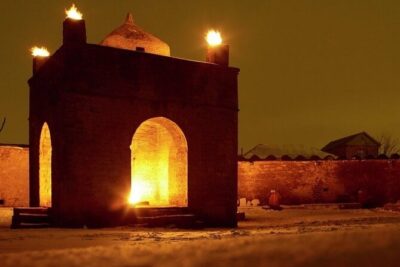
Gobustan, Volcanoes, Fire Temple and Yanardag Day Trip
Read our review →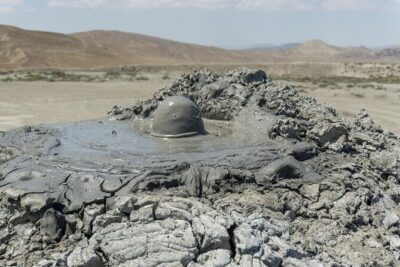
Gobustan & Mud, Fire Temple, Burning Mountain (Group & Private)
Read our review →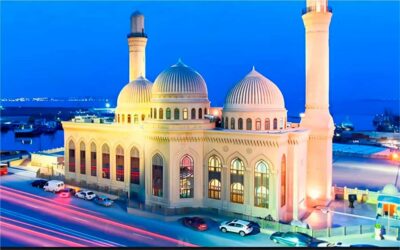
Mud Volcan-Fire Temple and Mountain Tour/Entrance inc
Read our review →
Gobustan Mud Volcanoes Temple & Entry tickets included
Read our review →Browse the lists this tour appears in