
Reviewed · GOBUSTAN TOURS
Gobustan and Absheron trip (Group or Private)
Azerbaijan’s strangest sights lie beyond Baku. This full-day trip combines the 40,000-year-old carvings of Gobustan with mud volcanoes, the Ateshgah Fire Temple, Yanar Dag, and Bibi-Heybat Mosque. I like the way it joins ancient rock art with Azerbaijan’s living fire traditions, and I also like the small-group format, which can give you more time with guides such as Seb, Leyla, Nazif, or Ley.
The price is appealing at about $30 per person, especially with hotel pickup, transport, and a guide included. The main caution is that lunch, entrance fees, and some other costs are extra, and the mud volcano stop depends on weather and road conditions. This is a busy day, so you should expect a lot of ground covered rather than long, slow visits.
In This Review
- The five things to know before you book
- A long day with a useful mix of sights
- The mud volcanoes and the bumpy ride out
- Gobustan’s ancient marks on the stone
- The Gobustan museum adds the missing context
- Lunch in Absheron, with the bill separate
- Ateshgah, the Fire Temple of Baku
- Yanar Dag and the fire beneath the ground
- Bibi-Heybat Mosque closes the historical circle
- Guides, group size, and the human side of the trip
- Is $30 good value?
- Who should book this day trip?
- Should you book the Gobustan and Absheron trip?
- FAQ
- How long does the Gobustan and Absheron trip last?
- Where does the tour start?
- Is hotel pickup included?
- What languages are offered?
- Is lunch included in the price?
- Are entrance fees included?
- Is the mud volcano visit guaranteed?
- How large is the group?
- Can I cancel for a full refund?
The five things to know before you book
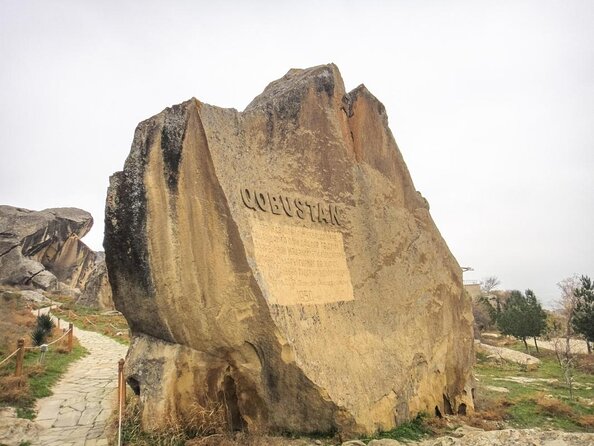
- Gobustan has more than 6,000 rock engravings, showing hunting, animals, dances, boats, and daily life from the Upper Paleolithic through the Middle Ages.
- The mud volcano ride uses a Soviet-era Lada 4×4 or another special vehicle, because the roads near the volcanoes can be rough.
- Ateshgah and Yanar Dag explain two different kinds of fire, one shaped by religious practice and the other by natural gas rising through the ground.
- The advertised group can reach 17 people, though smaller departures are possible and make it easier to ask questions.
- Lunch is not included, but a set meal at a local restaurant may offer a large spread of Azerbaijani dishes for about 20 manat.
- The schedule is weather-sensitive, particularly the mud volcano visit, and poor weather can lead to a new date or a full refund.
A long day with a useful mix of sights
The tour lasts about eight hours and begins with pickup in Baku. The stated starting point is Old City Hub near Gosha Gala Tower, but hotel pickup and drop-off are included, so check your exact meeting details after booking.
The route works because the sights are different enough to keep the day moving. Gobustan gives you archaeology and open country. Absheron gives you sacred fire, natural flames, and a major mosque. You are not spending eight hours looking at one type of monument.
The trade-off is pace. Several stops are scheduled for only 15 to 30 minutes, and the full route includes considerable driving. I would choose this trip when you want a broad first look at the area outside Baku. If your priority is quiet photography or detailed museum visits, the schedule may feel tight.
More Gobustan rock-art trips from Baku:
- Baku: Gobustan, Mud Volcano, Fire Mount, Temple Lunch Entry
★ 4.9 · 3,246 reviews - BEST Gobustan, Volcanoes & Absheron Fire Tour (Group or Private)
★ 5.0 · 1,254 reviews - Gobustan and Absheron tour (All inclusive)
★ 5.0 · 1,014 reviews
The mud volcanoes and the bumpy ride out
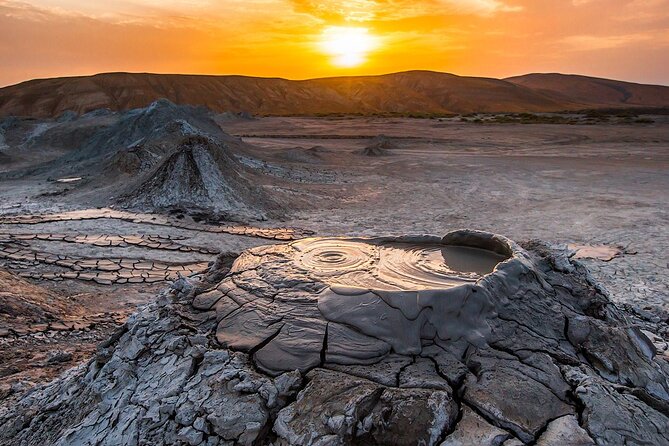
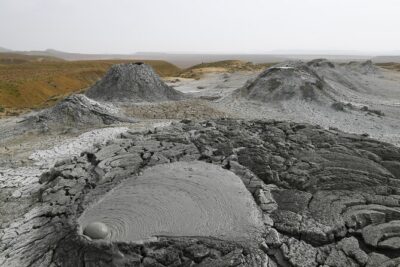
Azerbaijan is known for its unusually large number of mud volcanoes. Around 350 of the roughly 800 known mud volcanoes in the world are located in Azerbaijan, with many concentrated around Gobustan.
The volcanoes are not lava volcanoes. They push up mud, water, and gases, creating low cones and grey, bare ground. The tour takes you close to the formations, which is the point of the stop. From a distance, the scene can look plain. Up close, the bubbling mud and strange shapes make it much more memorable.
The final approach can be rough. You may transfer into a Soviet Lada SUV or another special taxi used for the road conditions. One of the pleasures of the trip is the slightly comic ride through the oil-field country, but comfort is not the reason to book it.
Weather matters here. The mud volcano stop may be closed or changed when conditions are poor. One important practical issue is that the details describe the special vehicle fee as included, while the stop also says admission is not included. Ask your provider to confirm the exact arrangement before departure, especially if the volcano site is closed and an alternative is offered.
Allow about 30 minutes at the volcanoes. That is enough to see the formations and take photographs, but not enough for a long walk or a detailed geological lesson.
Gobustan’s ancient marks on the stone
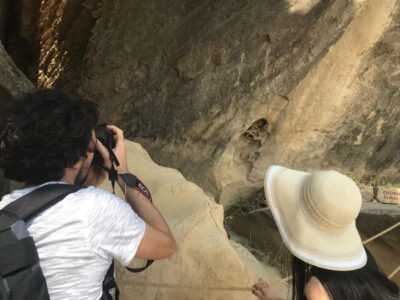
Gobustan Rock Art Cultural Landscape is the central reason to take this excursion. Its more than 6,000 engravings record human activity over about 40,000 years. You will see images and remains linked to hunting, animals, settlements, burials, caves, and changing communities.
The carvings are valuable because they are not isolated works of art. Together, they show how people used this area over a very long span of time. The site also contains evidence from the period after the last Ice Age, when the region was wetter and supported more human activity.
Your guide is important here. The markings can be hard to spot without direction, and a good explanation helps you understand why a particular line or figure matters. Seb has been praised for explaining subjects ranging from how the mud volcanoes work to Zoroastrianism, Azerbaijani life, and even Formula One. That range is useful on a day that moves across many subjects.
The open-air portion is generally short, listed at about 30 minutes, followed by time at the museum. You should wear shoes suitable for uneven ground and bring sun protection, though the supplied details do not promise shade or specific walking conditions.
The Gobustan museum adds the missing context
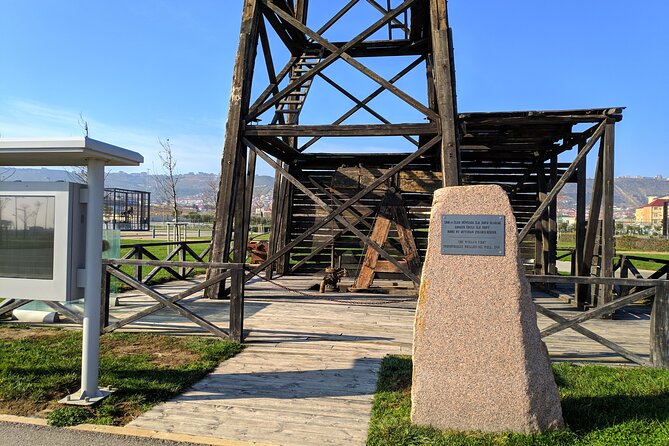
The Gobustan museum opened in its present modern form in 2011 after reconstruction. It contains more than 100,000 archaeological materials and uses touchscreens, displays, and animated presentations to explain the reserve.
This indoor stop matters because the rock carvings alone can be easy to misread. Tools and archaeological objects give you a clearer sense of the people who lived here. The museum is divided into themed sections, with information available in several languages.
The museum visit is listed at about 15 minutes, which is short for a collection of this size. If you enjoy archaeology, you may wish the schedule allowed more time. Still, the combination of the museum and the open-air site gives you more than a quick roadside stop.
Admission is not included in the base price. Since entrance charges can affect the final cost, check the current amount before you go.
More of the Absheron peninsula:
- Baku: Gobustan Absheron Tour Entry Tickets included
★ 4.9 · 329 reviews - Baku: Gobustan-Absheron Tour with Hotel PICK UP and DROP OFF
★ 4.8 · 170 reviews - Baku: Gobustan/Absheron guided tour with lunch and tickets
★ 4.8 · 158 reviews - Gobustan and Absheron peninsula ( Group or Private ) TOUR ( All inclusive )
★ 5.0 · 130 reviews
Lunch in Absheron, with the bill separate
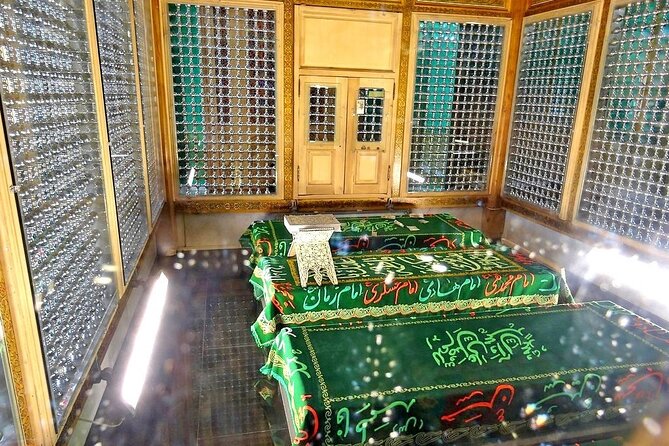
After Gobustan, the tour heads toward the Absheron region for lunch at a traditional restaurant. Lunch is extra, and the meal is not part of the $30 booking price.
A set meal may include a broad selection of Azerbaijani dishes. A meal described as costing about 20 manat per person included a large amount of food, so you should budget for this separately rather than treating the headline tour price as the full day’s cost.
The food stop is practical as well as cultural. You get a proper break after the outdoor sites, and it gives you a chance to try several local dishes instead of ordering one item at a time. Since the itinerary is full, do not expect lunch to become a long independent restaurant visit. The timing is controlled by the group schedule.
Ateshgah, the Fire Temple of Baku
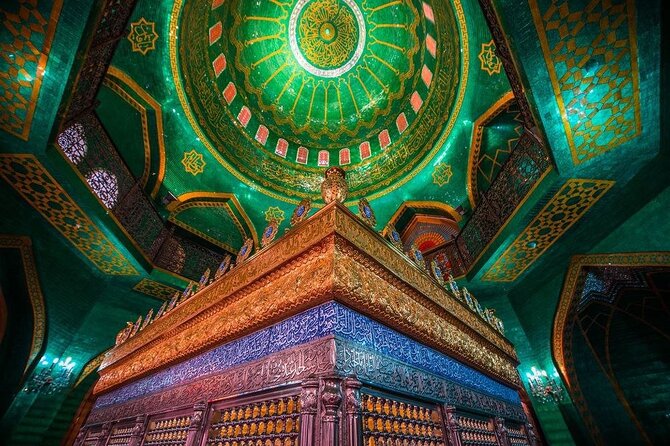
Ateshgah is a castle-like temple complex in Surakhani, outside central Baku. Its name comes from the Persian word atash, meaning fire.
The site is linked to both Zoroastrian and Hindu worship. Its older religious roots reach back to the period when Zoroastrianism was a major faith in the region. The buildings you see today took their present form in the 17th and 18th centuries, when naturally burning flames made the site a place of worship and pilgrimage.
The complex has a five-sided plan with chambers around a central area. Persian and Indian inscriptions help explain its later religious use, including worship by fire-revering Hindu pilgrims until the 1880s.
The key point is that Ateshgah is not simply an old building with a flame in the middle. It helps explain why fire became such a strong part of Azerbaijan’s identity. The tour’s theme now begins to make sense: Gobustan shows ancient human life, while Ateshgah shows how natural fire shaped belief and travel.
You will have about 30 minutes here. Entrance is not included, so keep extra cash or payment options available as advised by the operator.
Yanar Dag and the fire beneath the ground
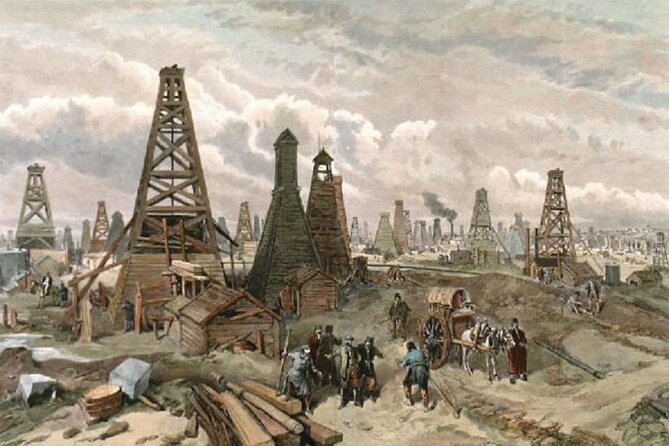
Yanar Dag, or Burning Mountain, is one of the most striking stops near Baku. Natural gas escapes through cracks in the ground and burns along the slope, creating a wall of flame.
The fire is tied to underground gas and tectonic activity, not to a religious ritual. That contrast with Ateshgah makes the two stops work well together. At the temple, people built a place around fire. At Yanar Dag, the earth itself supplies the show.
Yanar Dag lies about 23 kilometers north of Baku and was declared a historical, cultural, and natural reserve in 2007. The flames have been associated with the area for a very long time, and Marco Polo is said to have described fires around Baku during his travels.
The visit is brief, about 20 minutes. You will have time to see the flames and take photographs, but this is not a long hiking stop. Entrance is extra. The area can be exposed, so bring weather-appropriate clothing.
Bibi-Heybat Mosque closes the historical circle
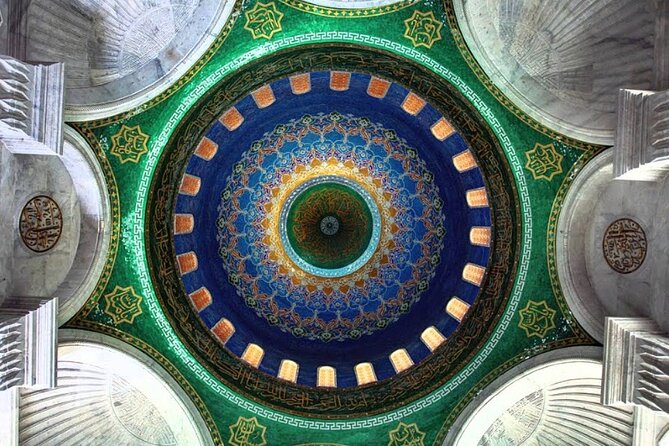
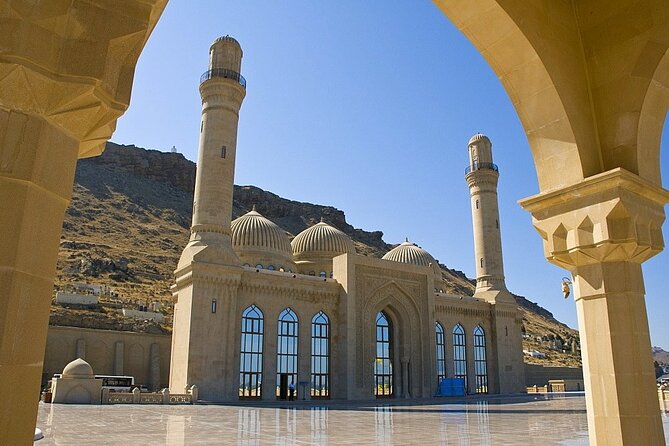
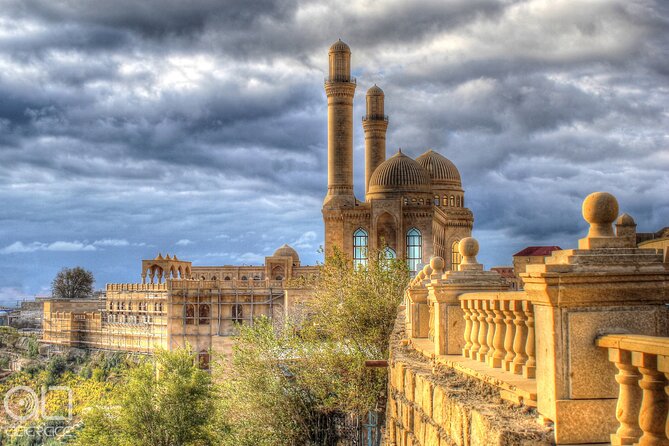
Bibi-Heybat Mosque is the final major sight before the return to Baku. The original mosque was built between 1267 and 1300 and included the tomb of Ukeyma Khanum, a descendant of Muhammad.
The present mosque dates from the 1990s and recreates the earlier structure. That distinction matters. You are seeing a modern rebuilding of a place with much older religious importance, not the untouched medieval building.
The mosque remains a spiritual center for Muslims in the region and is also known locally as the Mosque of Fatima. Its position in the tour gives you a final change of mood after the stark volcanoes and burning hillside.
The stop lasts about 15 minutes and is free according to the supplied details. Dress respectfully for a religious site and follow any instructions from your guide about entering or viewing the mosque.
Guides, group size, and the human side of the trip
The tour is offered in English and Russian, with a maximum group size of 17. In practice, the group may be much smaller. One departure had five people for the first part and only two for the second, which made it easier to receive individual attention.
That small-group advantage can shape the whole day. A strong guide can explain the rock art, connect the fire sites, and answer questions about Azerbaijan beyond the formal monuments. Seb received especially strong praise for detailed explanations, while Leyla was described as warm, patient, and friendly. Nazif was noted for careful preparation and clear historical explanations. Ley was also praised for a pleasant and informed approach.
The experience can vary by guide. One account found the explanations too brief and mostly descriptive. If you want substantial interpretation, ask questions rather than waiting for a lecture. If your guide speaks English as a second language, speaking clearly and asking for a slower pace can help.
The vehicle is air-conditioned, which matters on a full day outside Baku. The road to the mud volcanoes is the exception, since the special 4×4 transfer is rougher and more basic.
Is $30 good value?
At $30 per person, the tour offers strong value if you want transport and several distant sights in one day. A private car covering Gobustan, Absheron, the fire sites, and Bibi-Heybat would normally cost more than a shared departure, though no private price is provided here.
The low headline price does not include everything. You should allow extra money for:
- Lunch
- Entrance fees at Gobustan, Ateshgah, and Yanar Dag
- Any other personal expenses
- Alcoholic drinks
- Taxes or charges not included by the operator
The special mud volcano vehicle fee is described as included, but the admission wording is unclear. Confirm this before setting your budget.
The tour is recommended by 94 percent of customers and has a 4.8 rating from 94 reviews. Those figures suggest a strong overall experience, but they should not hide the practical limits: conditions can cancel the volcano visit, the schedule can feel rushed, and guide quality affects how much you learn.
Who should book this day trip?
I would recommend it to you if this is your first visit to Baku and you want to understand the area beyond the Old City. It suits people who enjoy archaeology, unusual geology, religious history, and a full schedule.
It is also a good choice if you prefer not to arrange several separate taxis. Hotel pickup, an air-conditioned vehicle, and a guide remove much of the planning work.
I would be more cautious if you want a relaxed day, extensive photography time, or long museum visits. The tour covers many places, but most stops are short. The mud volcanoes are also weather-dependent, and the rough 4×4 ride will not suit everyone.
Free cancellation is available up to 24 hours before the start time. If bad weather cancels the trip, you can be offered another date or a full refund. Changes or cancellations inside 24 hours are not accepted for a refund.
Should you book the Gobustan and Absheron trip?
Book it if you want variety and value. For roughly $30, you can see ancient rock carvings, mud volcanoes, a Zoroastrian and Hindu religious site, a natural gas fire, and a major mosque in one organized day.
Go in with realistic expectations. This is a highlights tour, not a slow archaeological field visit. Bring money for lunch and admissions, confirm the mud volcano arrangements, and be ready for a busy schedule. If you can join a smaller departure, the extra access to your guide may make the day much better.
FAQ
How long does the Gobustan and Absheron trip last?
The experience lasts approximately eight hours, including the visits to Gobustan, the mud volcanoes, Absheron, Ateshgah, Yanar Dag, and Bibi-Heybat Mosque.
Where does the tour start?
The stated meeting point is Old City Hub, near Gosha Gala Tower in Baku. Hotel pickup is also offered, so confirm the pickup details after booking.
Is hotel pickup included?
Yes. Hotel pickup and drop-off are included, along with an air-conditioned vehicle and a professional guide.
What languages are offered?
Guide service is offered in English and Russian.
Is lunch included in the price?
No. Lunch is extra. The group stops at a traditional restaurant in the Absheron region.
Are entrance fees included?
No. The supplied details state that entrance fees and taxes are not included. This applies to the Gobustan sites, Ateshgah, and Yanar Dag.
Is the mud volcano visit guaranteed?
No. The mud volcano stop depends on the weather and road conditions. A special vehicle, including a Soviet Lada SUV, is used for the rough approach. Confirm the exact fee arrangement before departure.
How large is the group?
The maximum group size is 17 people. Some departures may be much smaller.
Can I cancel for a full refund?
Yes, if you cancel at least 24 hours before the experience begins. Poor weather cancellations may result in another date or a full refund. Changes made less than 24 hours before the start time are not accepted.
Newest Baku write-ups
- Wine Tour Baku★ 5.0 · 4 reviews
- Wine Crawl Baku★ 5.0 · 2 reviews
- Traditional Azerbaijani Cuisine Workshop★ 5.0 · 5 reviews
- The Magnificent Baku Night Tour★ 5.0 · 3 reviews
- Small-Group Day Trip to Gobustan, Mud Volcanoes, Ateshgah & Yanar Dagh★ 4.5 · 3 reviews
- 2 days tour to Sheki★ 5.0 · 2 reviews
- Sheki tour with overnight★ 5.0 · 5 reviews
- Azerbaijan tour in 2 days/Sheki+Lahij+Gabala up to Georgia Border★ 4.5 · 6 reviews
Gobustan Tours, compared.
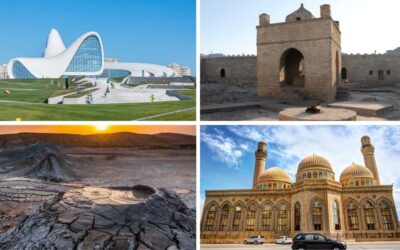
Gobustan, Mud Volcano, Fire Mount, Temple Lunch Entry
Read our review →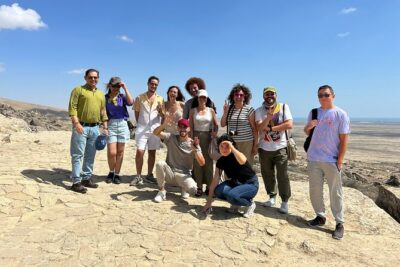
BEST Gobustan, Volcanoes & Absheron Fire Tour (Group or Private)
Read our review →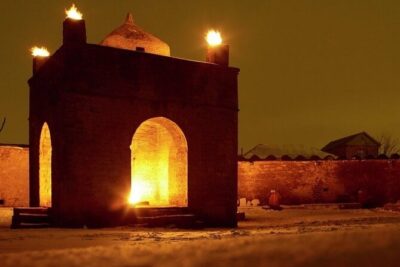
Gobustan, Volcanoes, Fire Temple and Yanardag Day Trip
Read our review →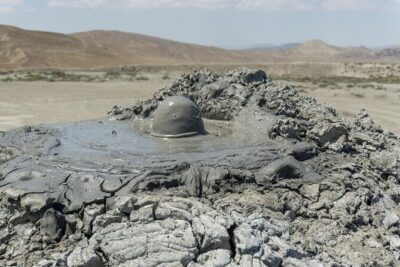
Gobustan & Mud, Fire Temple, Burning Mountain (Group & Private)
Read our review →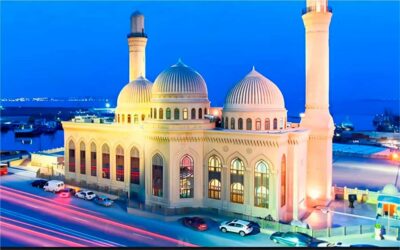
Mud Volcan-Fire Temple and Mountain Tour/Entrance inc
Read our review →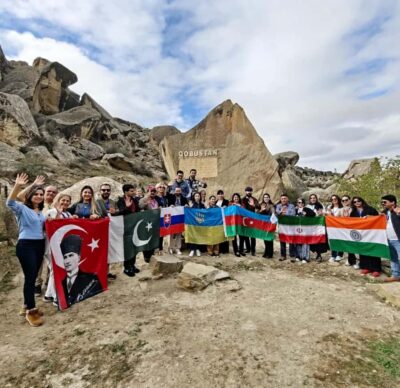
Gobustan Mud Volcanoes Temple & Entry tickets included
Read our review →Browse the lists this tour appears in