
Reviewed · GOBUSTAN TOURS
Baku: Gobustan & Absheron Trip
Fire tells Azerbaijan’s story. This nine-hour trip links Gobustan’s ancient rock art with the mud volcanoes, Bibiheybat Mosque, Yanardag’s flames, and Ateshgah Fire Temple. I like the wide range of stops and the chance to see places far beyond central Baku without arranging several separate excursions. The main drawback is the pace: some visits are short, and lunch can take up more time than expected.
The tour also offers strong practical value at $30 per person, with hotel pickup, transport, and a guide included. Guides such as Sabuhi have been praised for being engaging, polite, and well-informed, though one poor experience reported a long wait for the correct bus, rushed museum visits, and unsafe phone use by the driver. I would treat this as a busy overview rather than a slow, careful archaeological tour.
In This Review
- Key things to know before booking
- What this Baku day trip is really trying to show you
- Bibiheybat Mosque begins the day with a sacred stop
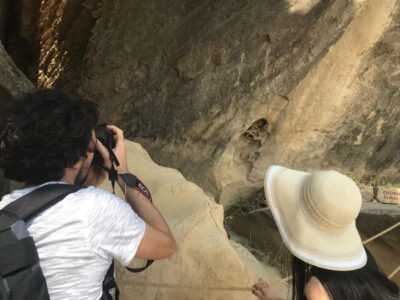
- Gobustan’s rock art brings prehistoric life into view
- The vintage car ride leads to Azerbaijan’s mud volcanoes
- The lunch break needs careful expectations
- Yanardag shows why fire became sacred
- The Absheron Peninsula adds a medieval fortress stop
- Ateshgah connects fire worship, Zoroastrianism, and Hinduism
- Guides can make or break this long route
- What the $30 price really covers
- Who will enjoy this tour most
- Should you book this Gobustan and Absheron tour?
- FAQ
- How long does the Gobustan and Absheron tour last?
- What languages are available for the guide?
- Is hotel pickup included?
- Is lunch included in the price?
- How much are the entrance fees?
- What should I bring?
- Is the tour wheelchair accessible?
- Can I cancel the booking?
Key things to know before booking
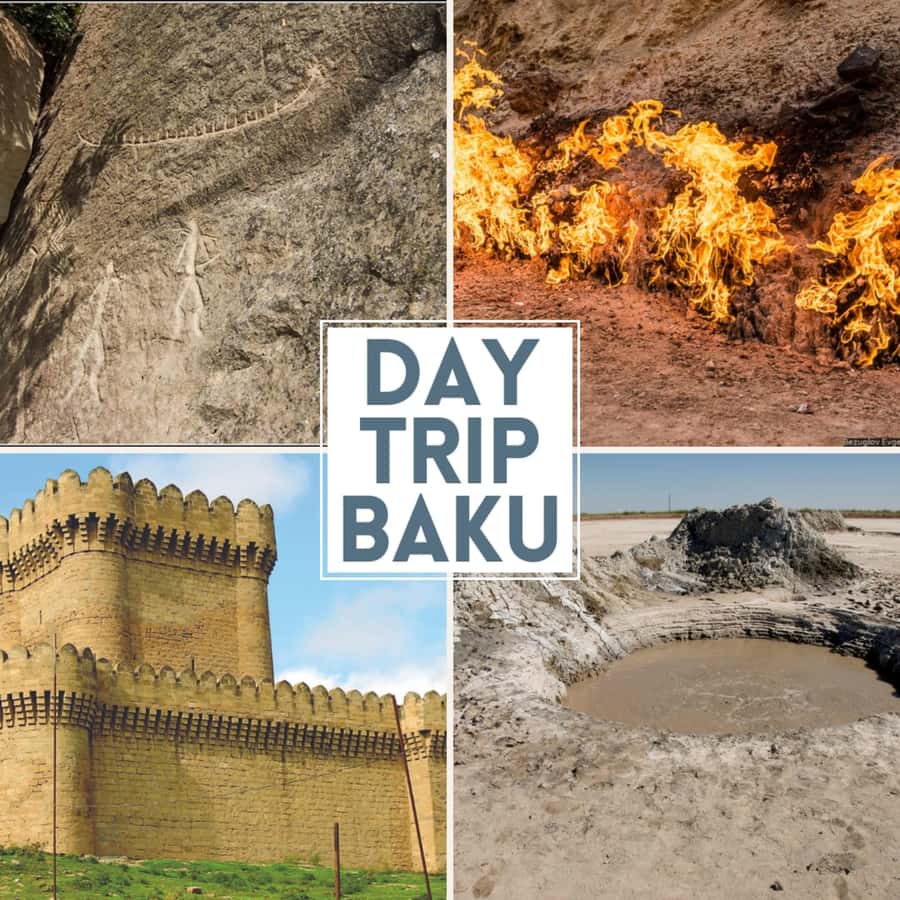
- Gobustan combines prehistoric rock drawings, caves, and museum displays in a UNESCO-protected reserve.
- Azerbaijan has about 354 of the world’s roughly 800 mud volcanoes, making this one of the trip’s most unusual stops.
- The 20-minute vintage-car ride adds a little adventure on the way to the mud volcano area.
- Bibiheybat Mosque connects the route to Islamic Azerbaijan, with tombs linked to relatives of Prophet Muhammad.
- Ateshgah and Yanardag explain the peninsula’s fire traditions, from Zoroastrian ideas to Hindu worship and Novruz customs.
- The low headline price does not include major admission fees or lunch, so budget for those extras.
What this Baku day trip is really trying to show you
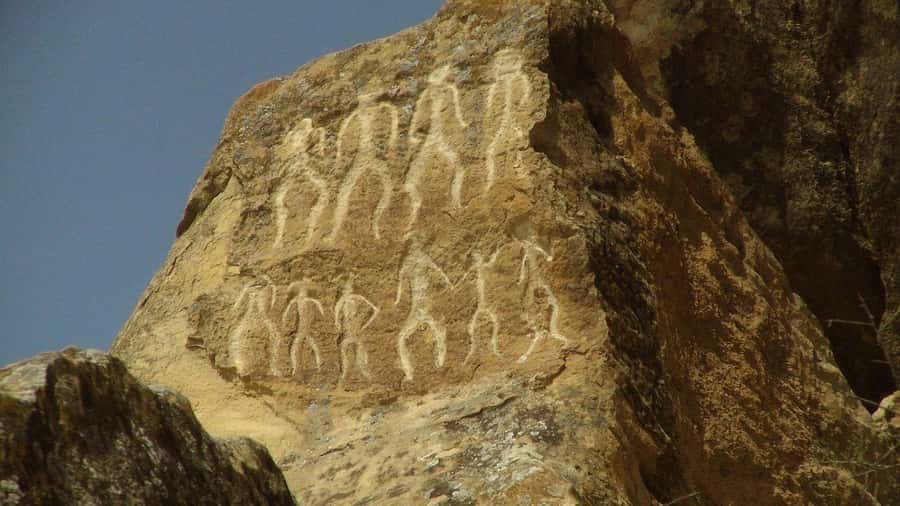
This is not one single attraction with a few side stops. It is a long day built around a question: why have people been drawn to this dry peninsula for thousands of years?
The answer comes in several forms. Early people left pictures on stone. Mud pushes up from the earth. Natural gas burns at Yanardag. Ancient worshippers gathered around sacred flames. Muslim pilgrims visit Bibiheybat. You get a quick but useful lesson in how geography shaped belief and daily life in Azerbaijan.
The route covers a lot of ground, with bus rides between most stops. That is useful if you have only a few days in Baku, since independent visits to Gobustan, the volcanoes, and the Absheron Peninsula would take more planning. The tradeoff is time. You should expect a full schedule, regular movement, and limited pauses at some sites.
The tour is advertised at nine hours. Pickup begins in Baku, with the standard meeting point at the Double Gates of the Old City, also called Icherisheher. Hotel pickup is available within the city area, generally within a 6 to 7 kilometer radius of the center or around Nizami Street.
More Gobustan rock-art trips from Baku:
- Baku: Gobustan, Mud Volcano, Fire Mount, Temple Lunch Entry
★ 4.9 · 3,246 reviews - BEST Gobustan, Volcanoes & Absheron Fire Tour (Group or Private)
★ 5.0 · 1,254 reviews - Gobustan and Absheron tour (All inclusive)
★ 5.0 · 1,014 reviews
Bibiheybat Mosque begins the day with a sacred stop
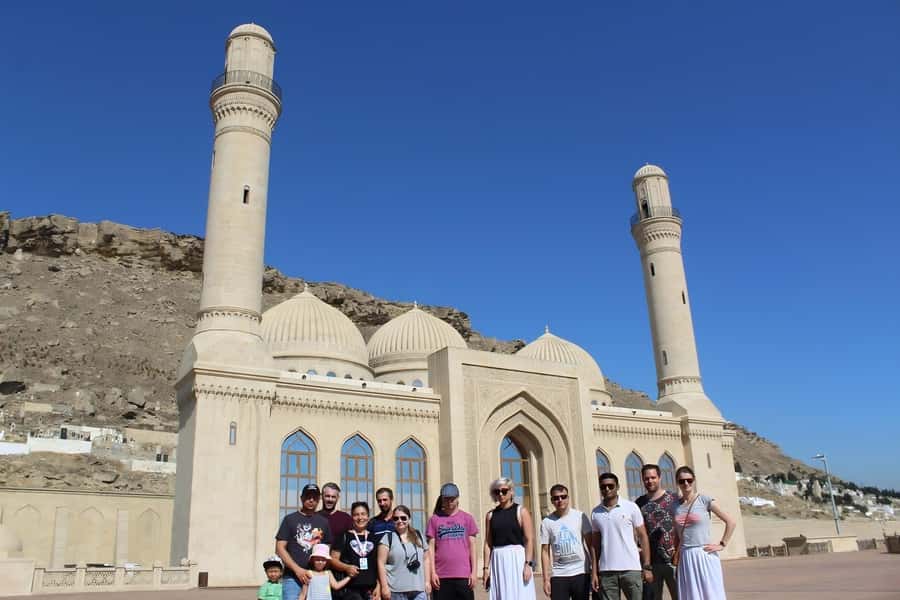
The first visit is Bibiheybat Mosque, reached after a short bus ride of about 10 minutes. You have around 20 minutes here for a guided visit, sightseeing, and photographs.
The mosque is presented as one of the important religious sites on the route. The tombs of relatives of Prophet Muhammad are associated with this place, giving the stop a strong spiritual meaning for Muslim visitors. It also helps you see that Azerbaijan’s religious story did not begin or end with ancient fire worship.
Twenty minutes is not a long time for a major religious building. You should think of Bibiheybat as an introduction rather than a full architectural study. Dress respectfully, and bring a headscarf if needed. A headscarf is specifically listed among the recommended items, so it is wise to carry one even if you are not sure you will need it.
Gobustan’s rock art brings prehistoric life into view
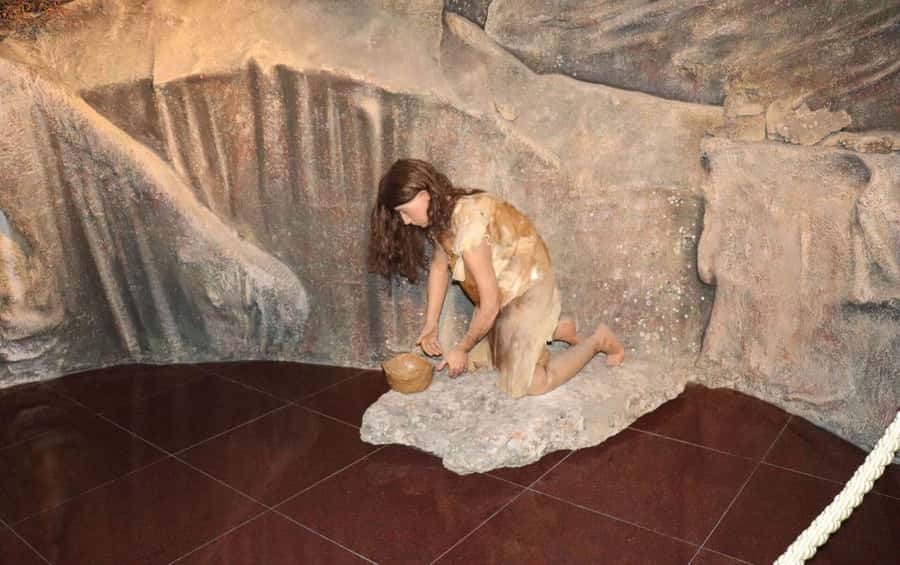
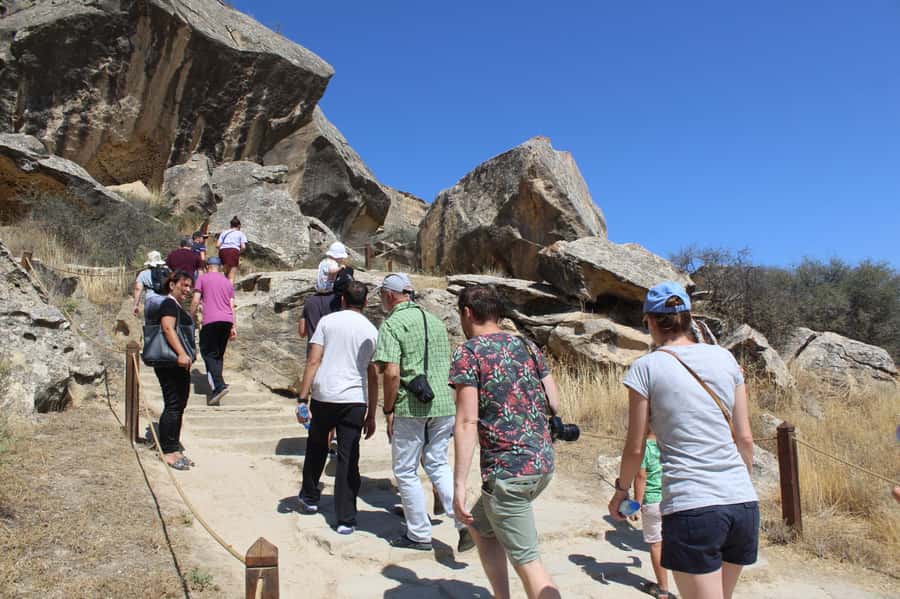
After roughly 50 minutes on the road, you reach Qobustan, also written as Gobustan. The visit lasts about 80 minutes and includes a guided walk, free time, scenic views, and a stop at the reserve’s museum.
This is the heart of the archaeology portion of the day. Gobustan is a State Historical and Artistic Reserve protected by UNESCO since 2007, and its rock drawings offer a direct link to the people who lived here long before written records. You see pictures carved into stone, caves used by early communities, and evidence connected with food preparation and daily life.
I like this stop because it makes prehistory feel practical. Instead of looking only at dates and labels, you can picture people sheltering in caves, preparing food, hunting, and recording the world around them through simple images. The reserve also gives you a chance to see how human life adapted to this dry setting.
The timing requires some discipline. Eighty minutes covers the walking, the museum, and explanations, but it is not enough for a leisurely museum visit. If you enjoy reading every display, you may feel hurried. Keep your shoes comfortable, stay near the guide, and use free time for the exhibits or photographs according to your own interest.
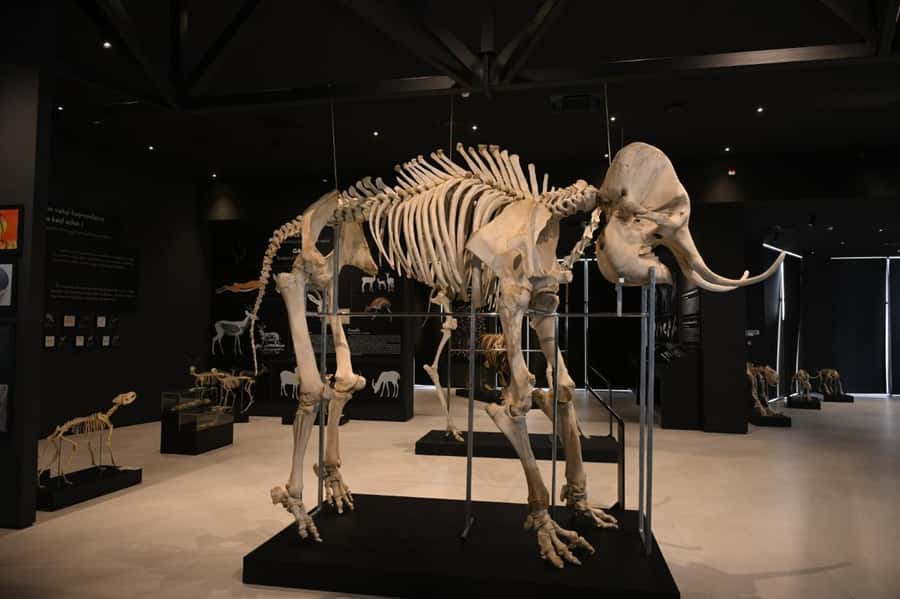
The tour information also lists two museum experiences in the wider program: a Natural History exhibition and a mineral collection, both with interactive demonstrations. The precise timing of these displays is not separately explained, so ask your guide how they fit into the Gobustan visit. A flashlight is recommended, which may be useful around cave areas, but you should not assume every cave is a long underground walk.
The vintage car ride leads to Azerbaijan’s mud volcanoes
A 20-minute vintage-car ride takes you toward the mud volcanoes. This is a small part of the day, but it changes the feel of the trip. After the museum and rock shelters, you are back in open country with a strange geological attraction ahead.
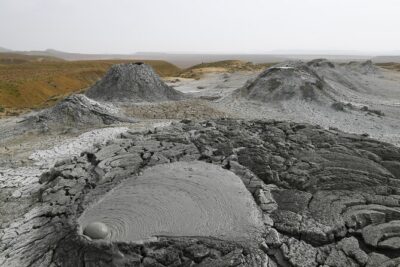
Azerbaijan is closely linked with mud volcanoes. About 354 of the world’s estimated 800 mud volcanoes are located in Azerbaijan, or roughly 40 percent. These are not lava volcanoes. They push out cool mud and gases, creating bubbling cones and pools that look more like a science experiment than a conventional mountain.
You have around 20 minutes at the volcano area for photographs and free time. That is enough for a look and a few pictures, but not for a long geological lesson. The mud is described as useful for skin, joints, and bones, but this tour does not promise a mud treatment, so bring curiosity rather than expectations of a spa stop.
Admission to the Mud Volcanoes Tourism Complex is not included and is listed as 15 AZN. This is one of the costs that can make the $30 starting price feel less complete. Check the total before booking, especially if you are trying to keep the day on a strict budget.
More of the Absheron peninsula:
- Baku: Gobustan Absheron Tour Entry Tickets included
★ 4.9 · 329 reviews - Baku: Gobustan-Absheron Tour with Hotel PICK UP and DROP OFF
★ 4.8 · 170 reviews - Baku: Gobustan/Absheron guided tour with lunch and tickets
★ 4.8 · 158 reviews - Gobustan and Absheron peninsula ( Group or Private ) TOUR ( All inclusive )
★ 5.0 · 130 reviews
The lunch break needs careful expectations
After the volcanoes, the group takes a bus ride of about 80 minutes to a local restaurant. The scheduled break is one hour, and lunch is paid separately according to the menu.
This is an important planning detail. The day starts early, and one poor experience reported lunch as late as 3:30 p.m., with the meal itself taking more than an hour. That may not happen every time, but the account shows why you should eat something before departure and carry a small snack if allowed by the operator.
The restaurant stop can be useful because you do need a proper break during a long day. Still, you do not control the meal timing or the menu cost. If you are vegetarian, have allergies, or need a quick meal, ask the guide what options are available as soon as the group arrives.
Yanardag shows why fire became sacred
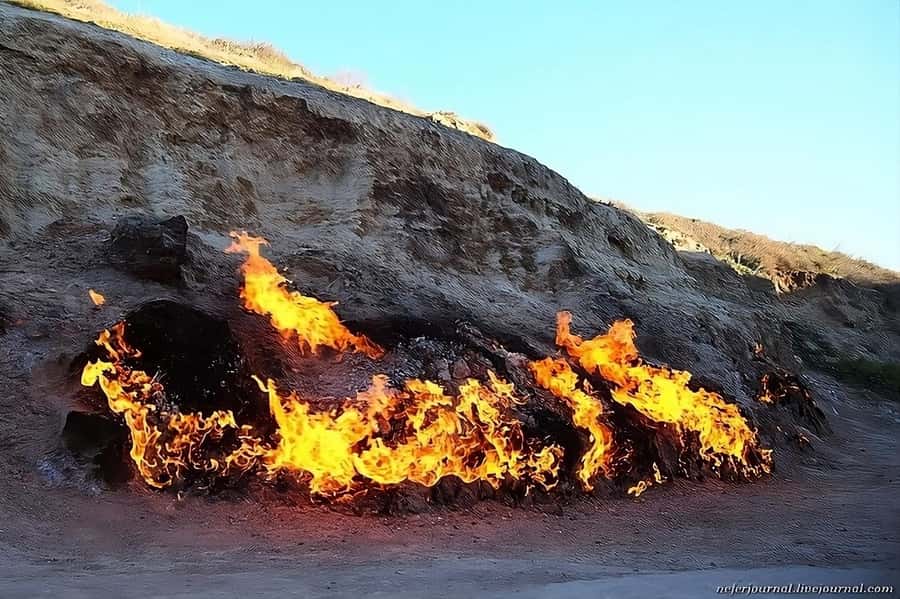
From the restaurant, the route continues by bus for about 30 minutes to Yanardag, or Fire Mountain. You have around 25 minutes for a guided visit, photographs, a walk, and free time.
Natural gas burns here, creating the famous eternal flame. The fire helps explain why this peninsula became a center for fire-related beliefs. Ancient writers, including Atilla the Great Hun Emperor and Marco Polo, recorded reports of enduring flames in the region. Scientists date the sacred hearth mentioned in the tour material to around 4,000 to 5,000 years old.
The attraction is not large, so 25 minutes can work well. You can see the flame, listen to the explanation, and take photographs without needing half a day. The power of Yanardag comes less from its size than from the thought that people may have watched natural fire here for generations.
The entrance fee for Fire Temple and Burning Mountain is listed as 15 AZN. Since Yanardag is the Burning Mountain stop, confirm with the operator whether that amount covers both listed attractions together or applies to the specific entry arrangement on your date.
The Absheron Peninsula adds a medieval fortress stop
The next section of the journey is a short visit in the Absheron Peninsula area, reached after about 30 minutes by bus. You have around 20 minutes for a guided stop, walking, photographs, and free time.
The description points to a medieval castle that has retained its original strength and appearance. The exact castle name is not specified, so ask your guide for its name and history on the day. This is a quick look at the military side of the peninsula, after a morning focused on worship, geology, and prehistoric art.
Do not expect a long castle tour. Twenty minutes is enough to see the structure and hear the main story, but not to study every wall or display. The stop works best as a change of subject before the final religious site.
Ateshgah connects fire worship, Zoroastrianism, and Hinduism
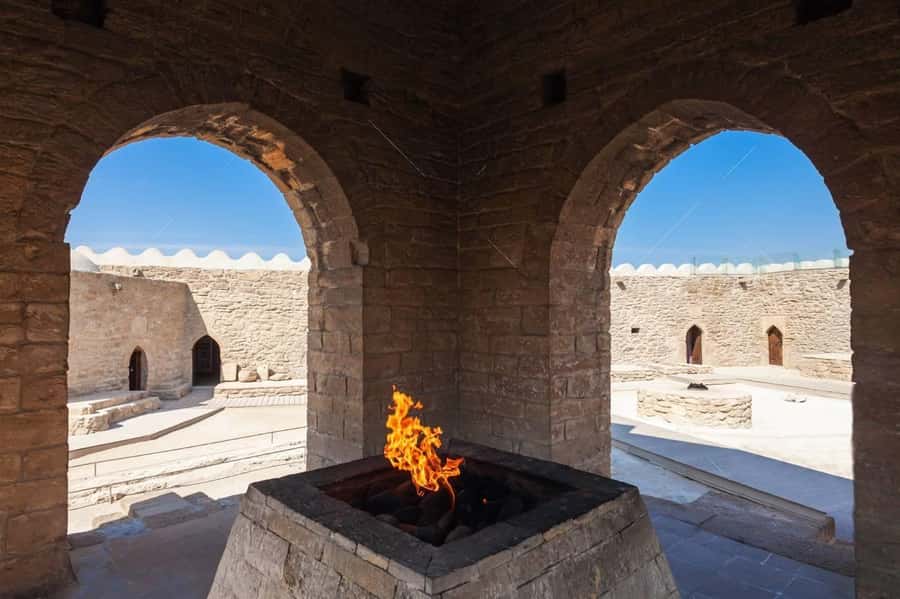
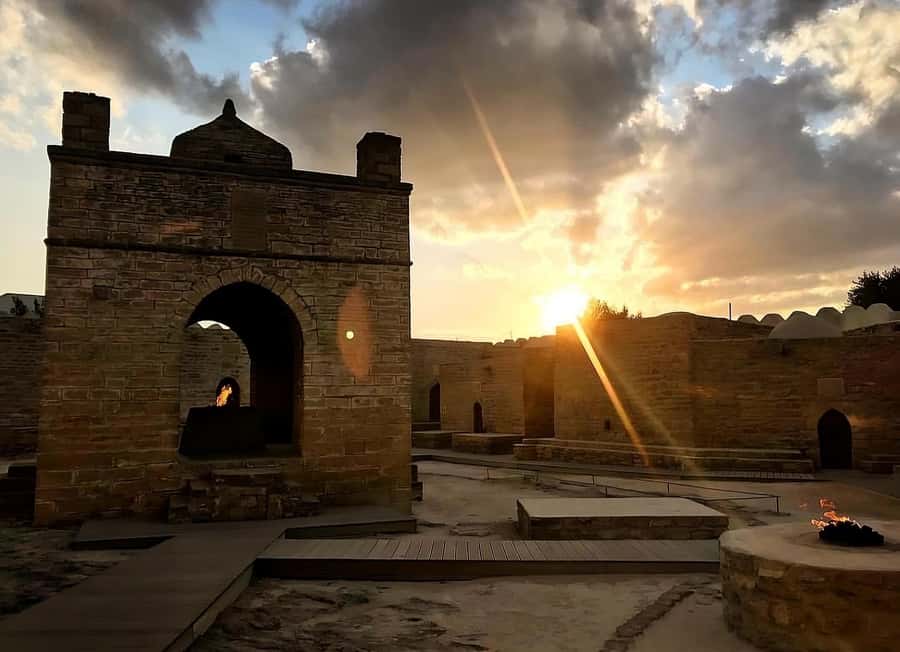
Ateshgah of Baku is the final major visit. It follows a short 10-minute bus ride and lasts about 50 minutes, with a guided tour, walking, photographs, and free time.
The Fire Temple is one of the most valuable stops for understanding Azerbaijan’s older religious traditions. The site is described as a meeting point of three teachings: fire worship, Zoroastrianism, and Hinduism. The common thread is the sacred role of fire, though each tradition has its own beliefs and practices.
Your guide should help separate these traditions rather than treating them as one simple faith. Fire worship in the region also connects with Novruz, the spring holiday that began as a sacred celebration and later became a national one. That link gives the visit modern meaning. You are not just looking at an old temple. You are seeing how ancient customs can survive in a national celebration.
The 50-minute visit is more generous than some of the shorter stops. You should have time to walk through the temple area, hear the story, and look around without sprinting from room to room. Admission to the Fire Temple is included in the listed 15 AZN charge along with Burning Mountain, but check the exact ticket arrangement before you set your budget.
The tour finishes at Qoşa Qala Qapısı, the Double Gates of the Old City. That is convenient if you plan to continue exploring central Baku after the day trip.
Guides can make or break this long route
The guide is the most important part of the experience. Five-star feedback praised the service, organization, English ability, and polite help. Sabuhi from Smile Tours was singled out for making the day entertaining and for sharing information with energy and interest.
The available languages are English, Russian, and Turkish. If you want the history explained rather than simply being driven from one site to another, pay attention to the guide assignment when you book and ask questions during the day.
There is also one serious warning to keep in mind. A poor experience described a 75-minute wait to get onto the correct bus, rushed stops, little useful explanation, and a driver using a handheld phone while driving. That account conflicts sharply with the otherwise positive feedback, but it is specific enough to matter. If the morning begins with confusion, speak to the guide early and confirm the full route before leaving Baku.
What the $30 price really covers
At $30 per person, this is an attractive way to cover several distant sights. You get hotel pickup within the stated Baku area, comfortable transportation, a professional guide, and the full route without arranging separate taxis.
The extra costs are substantial enough to plan for:
- Qobustan Museum: 10 AZN
- Mud Volcanoes Tourism Complex: 15 AZN
- Fire Temple and Burning Mountain: 15 AZN
- Lunch: not included
That adds 40 AZN in listed admissions, before food. The tour is still potentially good value, especially if the vehicle is comfortable and the guide keeps the day organized. But the advertised price is a starting point, not the final cost of the outing.
A discount card for a sweets shop is included. Consider it a small bonus rather than a reason to choose the tour.
Who will enjoy this tour most
I would choose this trip if you have limited time in Baku and want a broad introduction to Azerbaijan’s prehistoric sites, geology, Islamic heritage, medieval defenses, and fire traditions. It suits people who prefer one organized day to several separate transport arrangements.
It is less suitable if you want long museum visits, quiet archaeological study, or complete control over meal timing. The route is active, with repeated bus rides and short stops. Comfortable shoes and clothes are essential.
The operator lists the trip as wheelchair accessible, but the route includes walking around caves, rock art, outdoor geological sites, and historic buildings. If you use a wheelchair, confirm the conditions at each stop before booking rather than assuming every surface will be easy.
The tour is not suitable for babies under one year, people with heart problems, people with haemophilia, or people over 70. The supplied information also separately lists people over 95, but the over-70 restriction is the one you should take seriously when assessing the booking.
Should you book this Gobustan and Absheron tour?
Book it if you want maximum variety in one day and can accept a brisk schedule. Gobustan and Ateshgah are the strongest reasons to go, while the mud volcanoes and Yanardag provide the unusual sights that make this route different from a standard city excursion.
I would prepare by eating breakfast, carrying water and a snack, wearing good shoes, bringing a headscarf and small flashlight, and setting aside money for 40 AZN in listed admission fees plus lunch. The tour has earned a strong 4.7 rating from 10 verified bookings, with guide quality and organization praised most often, but the single very poor account shows that transport management can affect the day.
For a first visit to Baku, this is a worthwhile overview. Just book it for breadth, not for slow exploration.
FAQ
How long does the Gobustan and Absheron tour last?
The tour lasts 9 hours, beginning with pickup in Baku and finishing at Qoşa Qala Qapısı, the Double Gates of the Old City.
What languages are available for the guide?
The live guide is available in English, Russian, and Turkish.
Is hotel pickup included?
Yes. Pickup is included from hotels in the Baku city area, generally within a 6 to 7 kilometer radius of the city center or around Nizami Street. The standard meeting point is the Double Gates of the Old City.
Is lunch included in the price?
No. The tour allows one hour for lunch at a local restaurant, and you pay for food separately according to the menu.
How much are the entrance fees?
Qobustan Museum costs 10 AZN, the Mud Volcanoes Tourism Complex costs 15 AZN, and entry to the Fire Temple and Burning Mountain is listed as 15 AZN.
What should I bring?
Bring comfortable shoes, comfortable clothes, a credit card, a flashlight, and a headscarf.
Is the tour wheelchair accessible?
The activity is listed as wheelchair accessible. Because parts of the route include caves, rock art sites, outdoor areas, and historic buildings, confirm the conditions for each stop before booking.
Can I cancel the booking?
You can cancel up to 24 hours in advance for a full refund. The reserve-now, pay-later option lets you book without paying immediately.
Newest Baku write-ups
- Wine Tour Baku★ 5.0 · 4 reviews
- Wine Crawl Baku★ 5.0 · 2 reviews
- Traditional Azerbaijani Cuisine Workshop★ 5.0 · 5 reviews
- The Magnificent Baku Night Tour★ 5.0 · 3 reviews
- Small-Group Day Trip to Gobustan, Mud Volcanoes, Ateshgah & Yanar Dagh★ 4.5 · 3 reviews
- 2 days tour to Sheki★ 5.0 · 2 reviews
- Sheki tour with overnight★ 5.0 · 5 reviews
- Azerbaijan tour in 2 days/Sheki+Lahij+Gabala up to Georgia Border★ 4.5 · 6 reviews
Gobustan Tours, compared.
Gobustan, Mud Volcano, Fire Mount, Temple Lunch Entry
Read our review →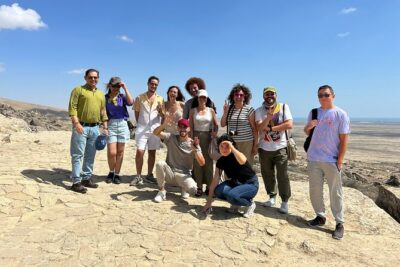
BEST Gobustan, Volcanoes & Absheron Fire Tour (Group or Private)
Read our review →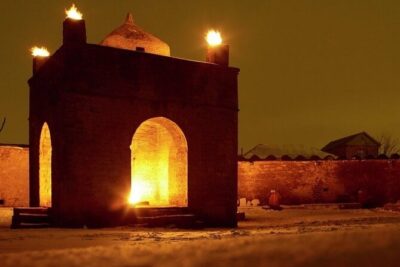
Gobustan, Volcanoes, Fire Temple and Yanardag Day Trip
Read our review →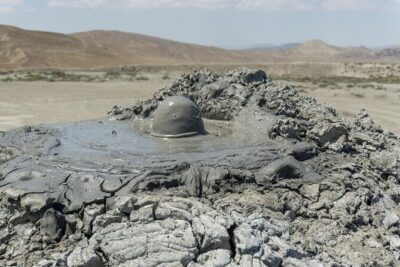
Gobustan & Mud, Fire Temple, Burning Mountain (Group & Private)
Read our review →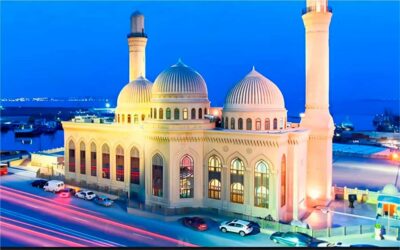
Mud Volcan-Fire Temple and Mountain Tour/Entrance inc
Read our review →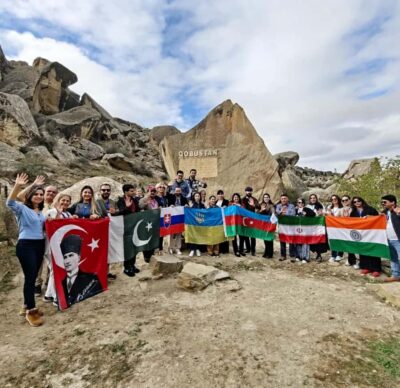
Gobustan Mud Volcanoes Temple & Entry tickets included
Read our review →Browse the lists this tour appears in